 Pin it
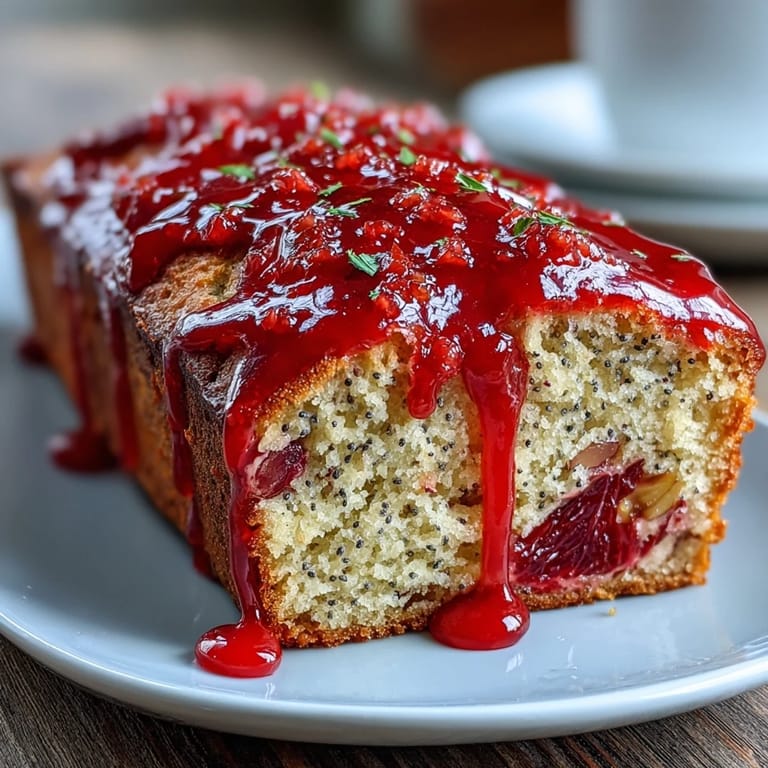
 The kitchen smelled like citrus and almonds before I even cracked the first egg. I was testing this loaf on a gray February morning when blood oranges were at their peak, and I wanted something that tasted like sunlight trapped in cake form. The poppy seeds were an afterthought, a jar I found while rummaging through the pantry, but they turned out to be the quiet texture that made each slice interesting. My neighbor still asks if I have any left whenever she smells it baking.
I brought this to a brunch once, still warm and barely glazed, and watched someone take a bite and pause mid-conversation. She said it reminded her of a cake her grandmother used to make in Sicily, though mine had poppy seeds and hers never did. Food has a way of unlocking memories you did not know you were carrying. That day, this loaf became more than a recipe, it became a bridge between strangers and stories.
Ingredients
- All-purpose flour: The backbone of the crumb, measured carefully so the cake stays tender and not dry.
- Baking powder: Gives the loaf its lift without making it taste flat or dense.
- Salt: Just a pinch to balance the sweetness and let the citrus shine through.
- Poppy seeds: They add a subtle nutty flavor and a beautiful speckled look throughout each slice.
- Unsalted butter: Softened to room temperature so it creams smoothly with the sugar and zest.
- Granulated sugar: Sweetens the cake and helps create that fluffy, airy texture when creamed.
- Blood orange zest: This is where the magic lives, oils from the peel release intense citrus aroma.
- Eggs: Bind everything together and add richness, make sure they are at room temperature for even mixing.
- Marzipan: Grated finely, it melts into the batter and adds almond sweetness and moisture.
- Blood orange juice: Freshly squeezed is best, it gives the cake its signature color and tangy flavor.
- Whole milk: Adds creaminess and helps balance the acidity of the citrus.
- Vanilla extract: A quiet supporter that rounds out the almond and orange notes beautifully.
- Powdered sugar: For the glaze, it dissolves instantly into the juice for a smooth, glossy finish.
Tired of Takeout? 🥡
Get 10 meals you can make faster than delivery arrives. Seriously.
One email. No spam. Unsubscribe anytime.
Instructions
- Prep the Pan:
- Preheat your oven to 175°C and line your loaf pan with parchment, leaving overhang on the sides so you can lift the cake out easily later. Greasing underneath the parchment helps it stick in place.
- Mix the Dry Ingredients:
- Whisk together flour, baking powder, salt, and poppy seeds in a medium bowl until the seeds are evenly distributed. Set this aside while you work on the wet ingredients.
- Cream Butter and Sugar:
- Beat softened butter, sugar, and blood orange zest until pale and fluffy, about three minutes. The zest will release its oils and perfume your entire kitchen.
- Add the Eggs:
- Crack in one egg at a time, beating well after each addition so the batter stays smooth and emulsified. Rushing this step can make the batter look curdled.
- Fold in Marzipan:
- Grate the marzipan directly into the bowl and fold gently until it is evenly scattered throughout. Small chunks are fine, they will melt during baking.
- Combine the Liquids:
- Stir together blood orange juice, milk, and vanilla in a measuring cup. The juice might look shockingly red, and that is exactly what you want.
- Alternate Wet and Dry:
- Add the flour mixture in three parts, alternating with the juice mixture, starting and ending with flour. Mix only until you no longer see streaks of flour, overmixing makes the cake tough.
- Bake the Loaf:
- Pour batter into the prepared pan, smooth the top, and bake for 45 to 55 minutes. A toothpick inserted in the center should come out clean or with just a few moist crumbs.
- Cool Completely:
- Let the cake rest in the pan for ten minutes, then lift it out using the parchment overhang and transfer to a wire rack. Patience here prevents a sticky, broken loaf.
- Glaze and Serve:
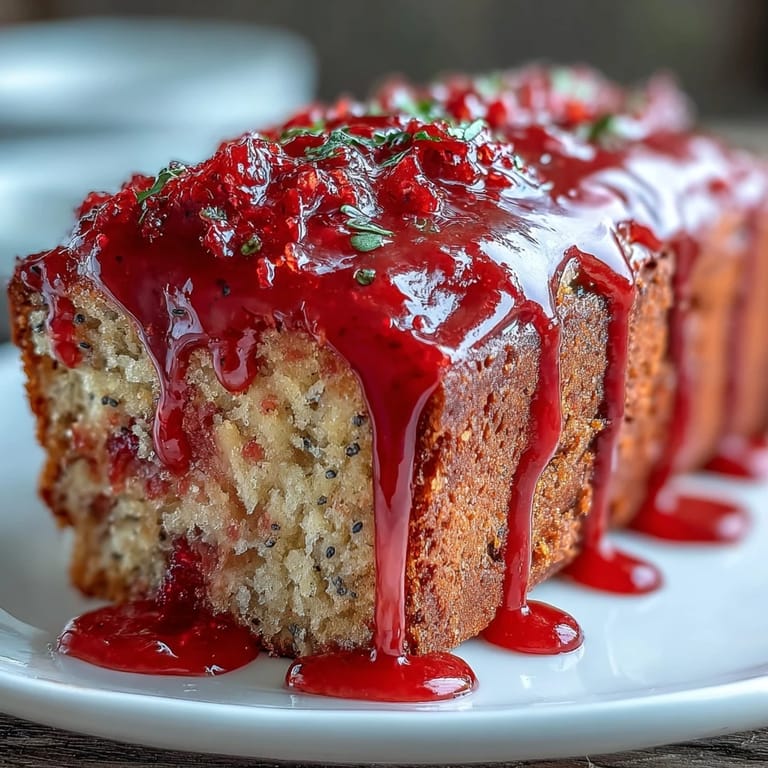
- Whisk powdered sugar with blood orange juice until smooth and drizzle over the cooled cake. Let the glaze set for about fifteen minutes before slicing.
 Pin it
 One afternoon I sliced this cake for a friend going through a rough week, and she sat quietly at my table with her tea, letting the citrus and almond work their small, edible comfort. She did not say much, but she took a second slice. Sometimes the best thing you can offer someone is something homemade, warm, and worth savoring slowly.
Storing and Serving
This loaf keeps beautifully at room temperature in an airtight container for up to three days, and honestly, it tastes even better on day two when the flavors have settled into each other. If you want to freeze it, wrap individual slices in plastic wrap and then foil, and they will keep for up to two months. Thaw at room temperature or toast lightly for a warm, fragrant treat. Serve it plain, with a dollop of mascarpone, or alongside a strong cup of Earl Grey.
Flavor Variations
If blood oranges are out of season, regular navel or Cara Cara oranges work just fine, though you will lose that dramatic ruby color. A splash of Grand Marnier or Cointreau in the glaze adds a grown-up edge that pairs beautifully with the almond. You can also swap the poppy seeds for finely chopped pistachios or leave them out entirely if you prefer a smoother crumb. I have even folded in a handful of white chocolate chips once, and no one complained.
What to Pair It With
This cake shines at brunch alongside soft scrambled eggs and smoked salmon, or as an elegant afternoon snack with clotted cream and jam. It also makes a lovely dessert served warm with a scoop of vanilla or pistachio gelato. A glass of chilled Prosecco or a floral white tea brings out the citrus notes beautifully.
- Try it with a smear of ricotta and a drizzle of honey for breakfast.
- Toast a slice lightly and serve it with butter for a next-level snack.
- Wrap it in parchment and tie it with string for a thoughtful homemade gift.
 Pin it
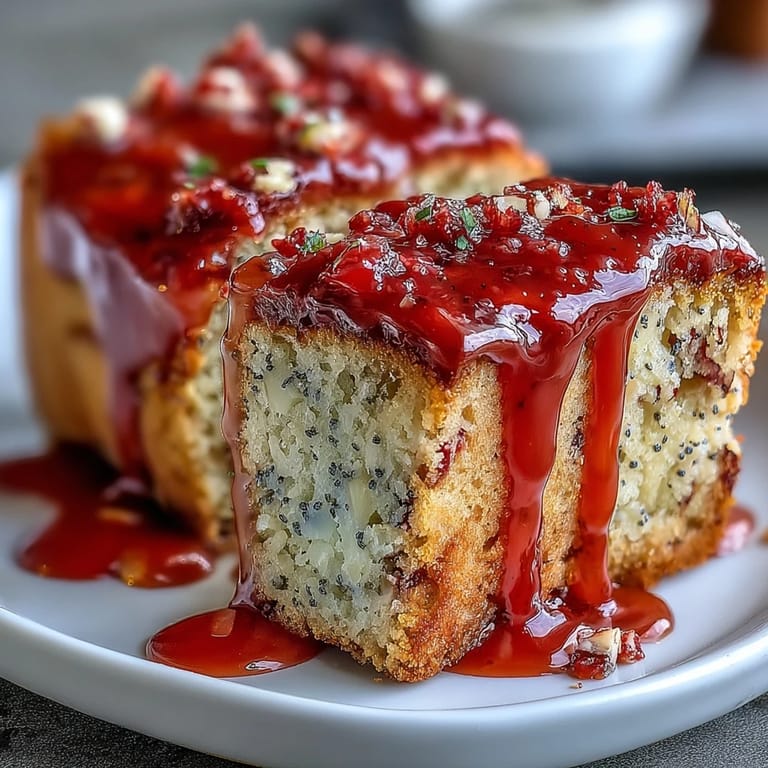
 This is the kind of cake that makes your kitchen smell like a citrus grove in winter and leaves crumbs on the counter that you will sneak when no one is looking. Bake it once, and it will become your go-to for whenever you need something bright, beautiful, and just a little bit special.
Recipe FAQs
- → Can I use regular oranges instead of blood oranges?
Yes, regular oranges work well, though you'll lose the distinctive ruby color and slightly berry-like flavor. The cake will still be delicious and aromatic.
- → How do I know when the loaf is fully baked?
Insert a toothpick into the center—it should come out clean or with just a few moist crumbs. The top should be golden and spring back when lightly pressed.
- → Can I make this cake ahead of time?
Absolutely. The cake keeps well for 2-3 days in an airtight container at room temperature. The flavors actually deepen and meld beautifully overnight.
- → What can I substitute for marzipan?
Almond paste is the closest substitute and provides a deeper almond flavor. You can also finely grind blanched almonds with a bit of sugar, though the texture will differ slightly.
- → Why is my glaze too thick or too thin?
Adjust consistency by adding more powdered sugar to thicken or more blood orange juice to thin. Add liquid gradually, one teaspoon at a time, until you reach a smooth, pourable consistency.
- → Can this cake be frozen?
Yes, wrap the unfrosted cake tightly in plastic wrap and aluminum foil. Freeze for up to 3 months. Thaw at room temperature and add the glaze just before serving.