 Pin it
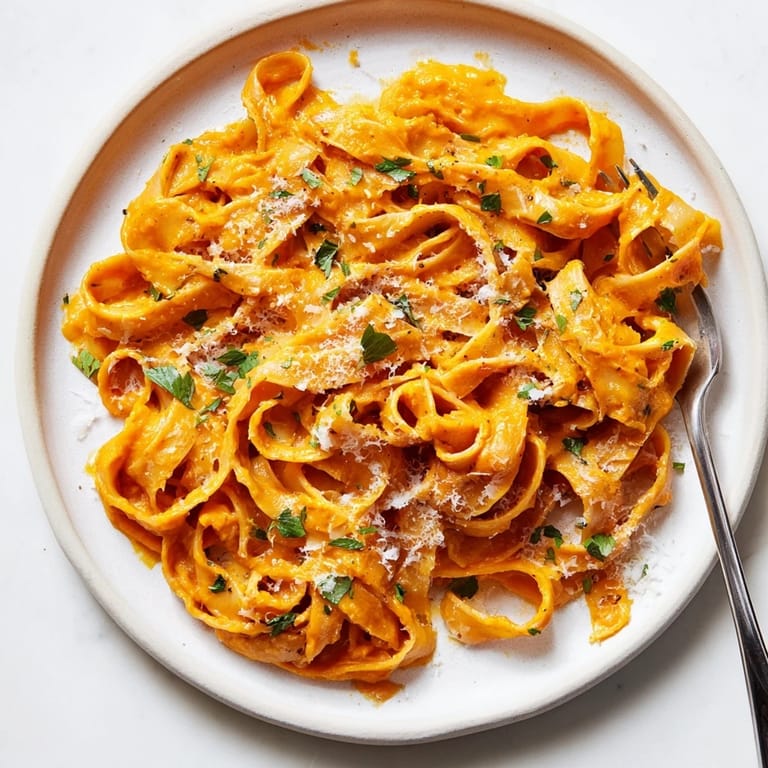
 The autumn mist was still rising from the garden when I first attempted this butternut squash pasta. My kitchen windows fogged as the oven heated, creating this perfect cocoon of warmth against the October chill. I remember being skeptical about butternut squash as a pasta sauce base, wondering if it would be too sweet or one-dimensional. The moment I tasted that first silky, complex spoonful though, everything changed. This dish has evolved over countless dinner parties since, becoming more refined with each preparation.
Last fall, I made this pasta when my sister visited after a particularly rough month at work. We stood side by side in my tiny kitchen, the sweet aroma of roasting squash filling the space between us. Words that had been difficult to find over phone calls came easier as we chopped, stirred, and tasted together. By the time we sat down to eat, the warm, velvety sauce seemed to mirror how the tension had melted away from our shoulders.
Ingredients
- Butternut squash: Look for one with a matte, not glossy skin, which tells you its properly ripened and will have that deep, sweet flavor that makes this sauce special.
- Unpeeled garlic cloves: Roasting them in their skins creates a mellow, almost sweet garlic flavor that wont overpower the delicate squash notes.
- Fresh sage: Its earthy aroma magnifies as it hits the hot oil, creating an essential aromatic foundation that dried sage simply cant match.
- Heavy cream: Just enough to create silkiness without masking the sweet, caramelized flavor of the roasted squash.
- Reserved pasta water: That starchy liquid is culinary gold for adjusting sauce consistency while adding a subtle binding element.
Tired of Takeout? 🥡
Get 10 meals you can make faster than delivery arrives. Seriously.
One email. No spam. Unsubscribe anytime.
Instructions
- Roast the squash to caramelized perfection:
- Spread those butternut cubes in a single layer, giving them room to breathe so they roast rather than steam. Youll know theyre done when the edges turn that beautiful golden brown and a fork slides through without resistance.
- Create your aromatic base:
- When sautéing the onion and sage, take your time here to let them slowly soften. The sizzling sound will gradually quiet as the onions turn translucent, releasing their sweetness into the oil.
- Blend until silky smooth:
- Start your blender on low before increasing to high speed, giving those squash pieces time to break down evenly. If youre using a food processor, you might need to scrape down the sides once or twice to catch any rebellious chunks.
- Marry the sauce with pasta:
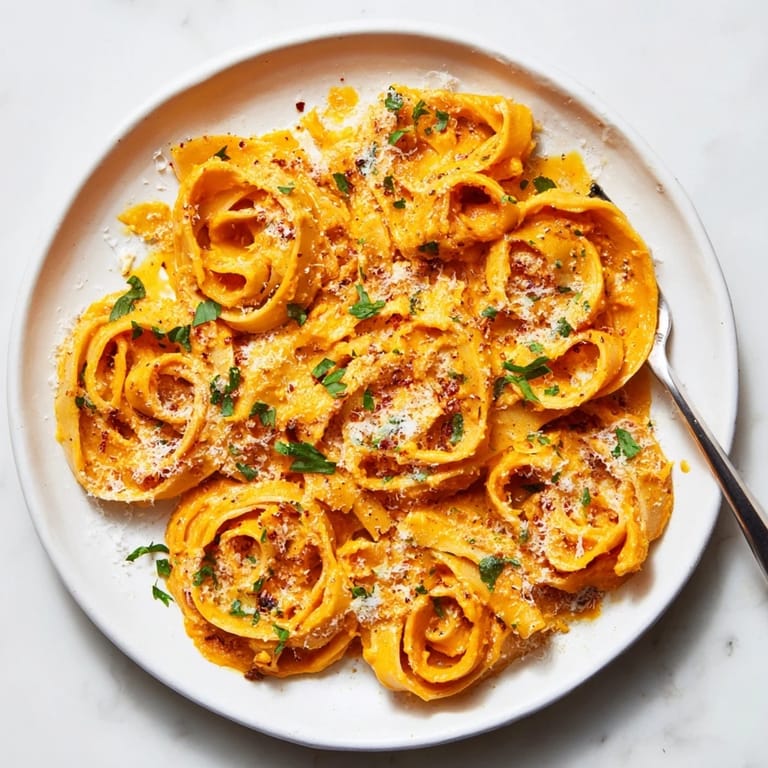
- This final step of tossing the pasta directly in the sauce allows the noodles to absorb those flavors rather than just wearing them. The pasta will continue drinking up the sauce, so err on the slightly thinner side if youre not serving immediately.
- Garnish thoughtfully:
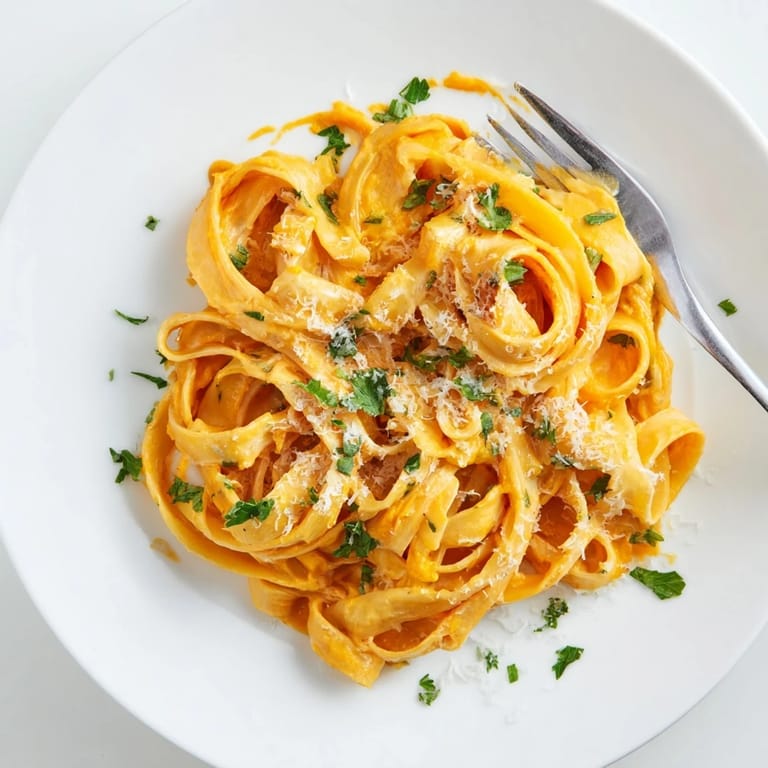
- The bright green parsley isnt just for looks, it adds a fresh counterpoint to the rich sauce. A light hand with the final cheese sprinkle lets the squash remain the star.
 Pin it
 My neighbor Jack, who swore he detested all squash dishes after childhood trauma with bland acorn squash, reluctantly tried this pasta during an impromptu dinner gathering. The look of genuine surprise on his face as he went for seconds made me laugh out loud. Later he whispered, asking for the recipe because his partner loves butternut squash. Sometimes good food bridges the gap between what we think we know about ourselves and what we might actually enjoy.
Making It Your Own
After making this pasta countless times, Ive found its incredibly adaptable to what you have on hand. Once when my sage plant had been decimated by an overzealous pruning, I substituted fresh thyme with surprisingly delightful results. The flavor profile shifted to something brighter, less autumnal but equally compelling. Another time, running low on heavy cream, I used half cream and half plain yogurt, which added a subtle tanginess that paired beautifully with a sharper aged Parmesan.
Pairing Suggestions
This pasta creates an interesting pairing challenge because of its sweet-savory balance. I once served it alongside a simple arugula salad dressed only with lemon juice, olive oil, and a generous crack of black pepper, and the peppery bite of the greens provided the perfect contrast to the creamy pasta. For wine, Ive found that while the recipe suggests Pinot Grigio, a lightly oaked Chardonnay can stand up beautifully to the richness, especially if you go heavy on the Parmesan.
Storage and Reheating
The sauce actually deepens in flavor overnight, making this an excellent make-ahead option for busy weeknights or entertaining. I learned this by accident when a dinner party was canceled last minute due to a snowstorm, leaving me with a full batch that I reluctantly refrigerated.
- Store the sauce separately from any unused pasta to prevent the noodles from absorbing all the moisture and becoming mushy.
- When reheating, add a splash of broth or milk as the sauce will thicken considerably in the refrigerator.
- A gentle reheating on the stovetop rather than microwave preserves the silky texture better, though both methods work.
 Pin it
 This butternut squash pasta has taught me that sometimes the simplest ingredients, treated with care, create the most memorable meals. Whether youre cooking for yourself on a quiet evening or gathering loved ones around your table, theres something magical about a dish that feels both nurturing and special.
Recipe FAQs
- → Can I make this ahead of time?
Yes, prepare the squash sauce up to 2 days in advance and refrigerate in an airtight container. Reheat gently on the stovetop with a splash of broth or cream. Cook pasta fresh just before serving to maintain the best texture.
- → What pasta shapes work best?
Wide, flat noodles like fettuccine or tagliatelle are ideal for clinging to the creamy sauce. Pappardelle or even rigatoni also work beautifully. Avoid thin, delicate pasta that may break under the sauce's weight.
- → How do I achieve a smooth sauce?
Roast the squash fully until very tender for easier blending. If using a standard blender, blend in batches and strain through a fine-mesh sieve for ultra-silky results. A food processor creates a slightly thicker consistency, which some prefer.
- → What can I add for more texture?
Sautéed mushrooms, wilted spinach, toasted walnuts, or crispy sage leaves all complement the creamy sauce beautifully. Add vegetables during the onion sauté stage or fold them in after blending.
- → Is this dish freezer-friendly?
The sauce freezes well for up to 3 months in freezer-safe containers. Thaw overnight in the refrigerator and gently reheat. For best results, freeze sauce and pasta separately, then combine when reheating.
- → How do I adjust the sauce consistency?
If the sauce is too thick, stir in reserved pasta water or vegetable broth, one tablespoon at a time, until you reach the desired creaminess. Too thin? Simmer uncovered for a few minutes to reduce and concentrate flavors.