 Pin it
 I discovered this dish during a autumn hike through the Cascade foothills, where a local chef friend packed a picnic with foraged mushrooms and wild berries. Walking through that misty forest, I was struck by how the dark earth seemed to come alive with color—golden chanterelles nestled between moss, brilliant berries scattered like jewels. That evening, sitting on a damp log with the smell of rain and pine all around, I realized I wanted to capture that exact feeling on a plate. Now, whenever I make this, I'm transported back to that moment of discovery.
I served this to my in-laws last Thanksgiving, and my mother-in-law—who usually sticks to traditional sides—came back for seconds. She kept saying it tasted like the forest smelled, and I knew right then I'd created something that goes beyond a recipe. That's when food becomes memory.
Ingredients
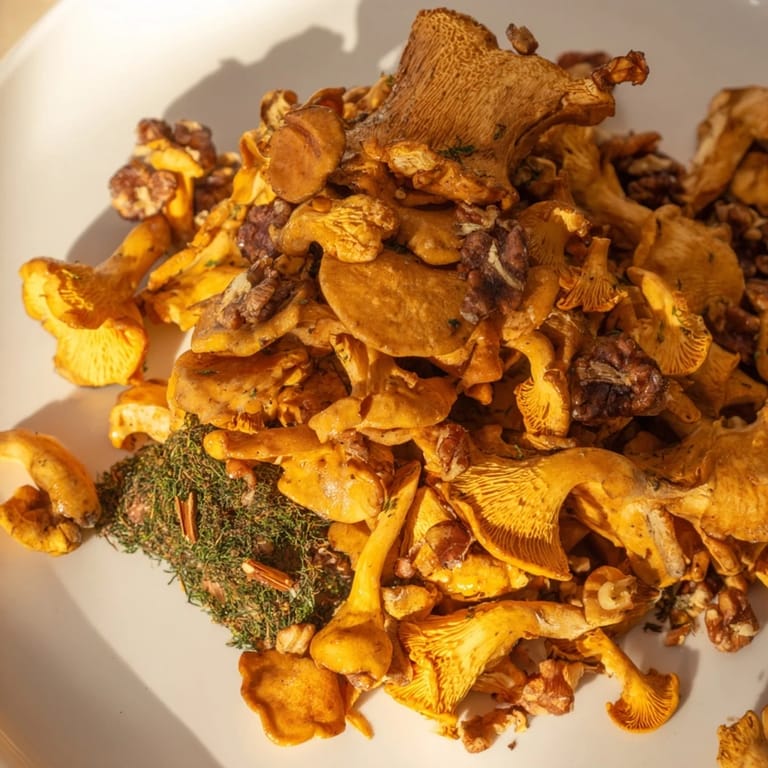
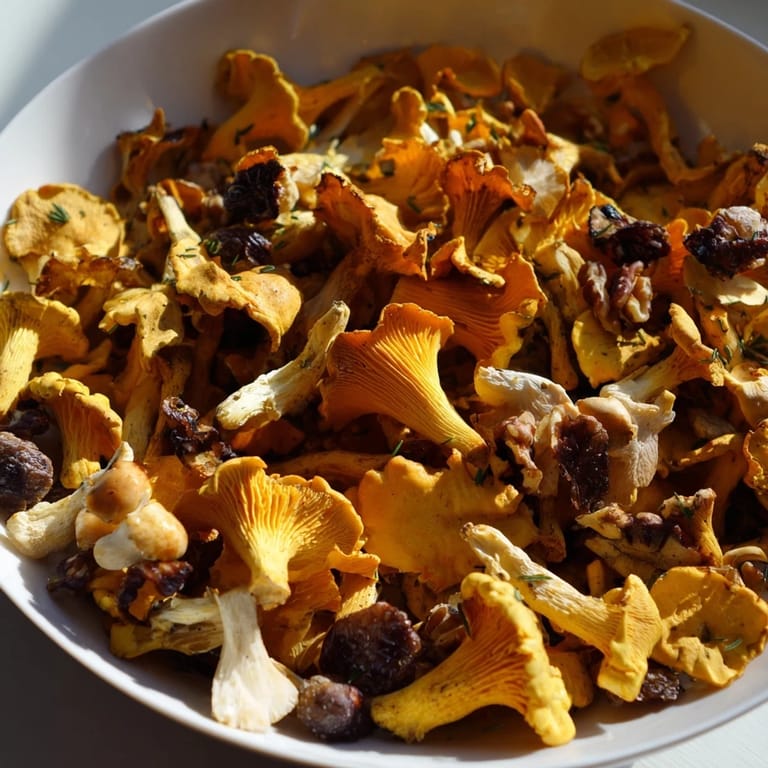
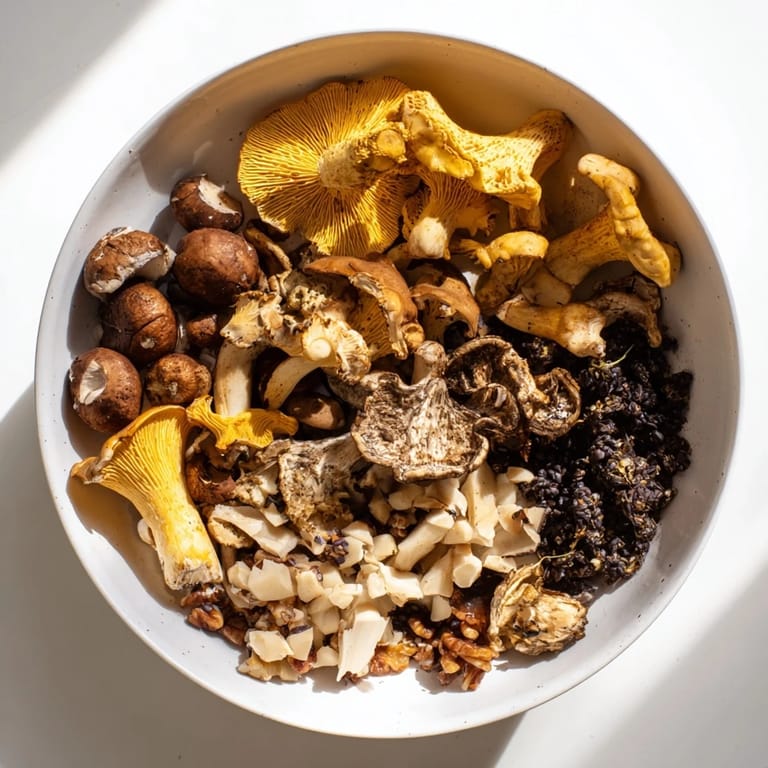
- Mixed wild mushrooms (200 g): Chanterelles, shiitake, and oyster create a flavor symphony that a single type can't achieve. Look for firm caps with no slime; avoid mushrooms that smell like ammonia. The variety of textures matters here—some will soften, others stay meaty.
- Olive oil and unsalted butter (1 tbsp each): The combination matters. Butter adds richness and browning power, olive oil prevents burning. Never use salted butter; you need control over seasoning.
- Garlic (1 clove, minced): Garlic is a whisper here, not a shout. Mince it small and add it first so it perfumes the oil without burning.
- Toasted hazelnuts (50 g) and walnuts (30 g): Toasting is non-negotiable. Raw nuts taste pale and woody compared to toasted ones. The hazelnuts bring warmth; the walnuts add earthiness. Coarse chop means some pieces stay chunky for textural interest.
- Fresh blackberries and blueberries (80 g and 60 g): Use berries at peak ripeness. If they're mealy or soft, they'll collapse on the plate. The tartness of blackberries balances the richness beautifully.
- Fresh flat-leaf parsley, dill, chervil, and chives: These herbs are the soul of this dish. Fresh herbs must be used here; dried would taste like straw. The combination creates what I call herb moss—it should feel vibrant and alive between your fingers.
- Lemon zest and flaky sea salt: The zest adds brightness without moisture. Flaky salt doesn't dissolve into the herbs; it catches the light and adds texture.
Tired of Takeout? 🥡
Get 10 meals you can make faster than delivery arrives. Seriously.
One email. No spam. Unsubscribe anytime.
Instructions
- Sauté the mushrooms until they're golden and giving up their liquid:
- Slice your mushrooms about a quarter-inch thick. Heat your skillet over medium heat—you want it hot but not screaming. Add the oil and butter together, let them foam slightly, then add that single minced garlic clove. You should smell it bloom almost immediately. Now add the mushrooms in a single layer if you can; don't crowd the pan. Let them sit for a minute, undisturbed, until they're golden on one side. Then toss and cook another 5–7 minutes until they're tender and have released their moisture. They should smell like a forest floor after rain. Season generously and set aside to cool.
- Make your herb moss while things cool:
- Chop all your fresh herbs very finely—almost to a paste, but not quite. Put them in a bowl with the olive oil, lemon zest, and flaky sea salt. Toss it together with your fingers; this is important because your fingers can feel the texture better than a spoon. The herbs should start clumping together slightly and look vibrant green. This is what makes people stop and ask what that beautiful green thing is on the plate.
- Toast your nuts until fragrant:
- Spread them on a baking tray and toast at 350°F for 8–10 minutes. You'll know they're ready when you can smell them from across the kitchen—a toasty, deep aroma that makes your mouth water. Let them cool completely, then chop them coarsely. Some pieces should be almost whole, others powder-fine. That variation is what makes the plate interesting.
- Arrange your plate like you're creating a landscape:
- This is where the magic happens. Use a large platter or individual plates. Start by making small clusters—one cluster of mushrooms here, a scatter of nuts there, a handful of berries in another spot. Think of the woodland floor: nothing is uniform, everything is organic and slightly chaotic. Now generously spoon your herb moss around these clusters, letting it nestle between them. The green should look abundant, like moss creeping through a forest. If you have edible flowers or microgreens, scatter them last. Step back and look at your work. It should make you smile.
- Serve at room temperature:
- Don't chill this. The flavors are most vibrant when it's just cooled to room temperature. This is important—cold mutes everything.
 Pin it
 My daughter, who's five, took one look at this dish and called it 'a fairy plate.' She ate more greens in that bite than I could get into her all week. Sometimes the best recipe wins aren't about technique—they're about creating something that makes people want to eat it.
The Magic of Wild Mushrooms
Wild mushrooms aren't just a trendy ingredient—they're a flavor gateway. Chanterelles taste faintly fruity and buttery, shiitake brings umami depth, and oyster mushrooms have a delicate earthiness. When you cook them together, they harmonize rather than compete. I've learned that buying from a farmer's market means you can ask questions about where they came from and how to treat them. That connection—knowing these mushrooms came from a forest someone actually foraged in—changes how you cook with them. It makes you more thoughtful, more reverent.
Why This Dish Feels Like Abundance
There's something about scattered abundance that feels more generous than a carefully portioned plate. When you let ingredients sprawl and cluster naturally, people unconsciously slow down to eat. They pick up single berries, separate out the nuts, taste the herb moss on its own. It becomes an experience rather than a meal. I noticed this the first time I plated this dish—guests weren't just eating; they were exploring, finding new combinations with each bite. The vegetable-forward ingredients also mean this never feels heavy, even though it's deeply satisfying.
Variations and Substitutions
This plate is more of a template than a strict recipe, which is part of why I love it. In spring, I swap mushrooms for tender asparagus and add morel pieces when they're available. Summer brings fresh peas and early berries. Fall is when this dish truly shines—that's peak mushroom and berry season. Winter is when I add thin-shaved roasted beets for color and sweetness. The principle stays the same: build clusters of complementary flavors and textures, then blanket it all with vibrant herb moss.
- Try roasted root vegetables like beets, carrots, or radishes for added earthiness and color
- Pickled shallots add a bright acidity that cuts through the richness beautifully
- Edible flowers like violas and pansies aren't just pretty—they add peppery or floral notes depending on the variety
 Pin it
 This dish taught me that food doesn't need to be complicated to feel special. The most important ingredient is attention—to the quality of what you buy, to the moment you're creating it, and to the people you're serving it to. Make this when you want to slow down.
Recipe FAQs
- → What types of mushrooms work best in this dish?
Mixed wild mushrooms such as chanterelle, shiitake, and oyster provide earthy depth and varied texture ideal for this dish.
- → Can the nuts be substituted?
Yes, pecans or pine nuts can replace hazelnuts and walnuts to maintain a toasted, nutty flavor profile.
- → How is the herb moss made?
Chop fresh parsley, dill, chervil or tarragon, and chives finely, then toss with olive oil, lemon zest, and flaky sea salt until it forms a vibrant, clumping mixture.
- → Is this dish suitable for vegans?
To make it vegan, simply substitute the butter with a plant-based alternative or omit it when sautéing mushrooms.
- → What beverage pairs well with this dish?
Light Pinot Noir or crisp dry cider complement the earthy and fruity notes beautifully.
- → What optional garnishes enhance presentation?
Edible flowers and microgreens or baby sorrel add freshness and visual appeal.