 Pin it
 The first time I held a sheeps stomach in my hands, I was standing in a Scottish kitchen on a gray November afternoon, and I understood why haggis commands such fierce loyalty. My friend Margaret had invited me to help make hers from scratch, and as she walked me through the process, her hands moved with the confidence of someone whose grandmother had taught her grandmother. There's something about this dish that strips away pretense—it's honest food, born from using every part of the animal, transformed into something genuinely magnificent.
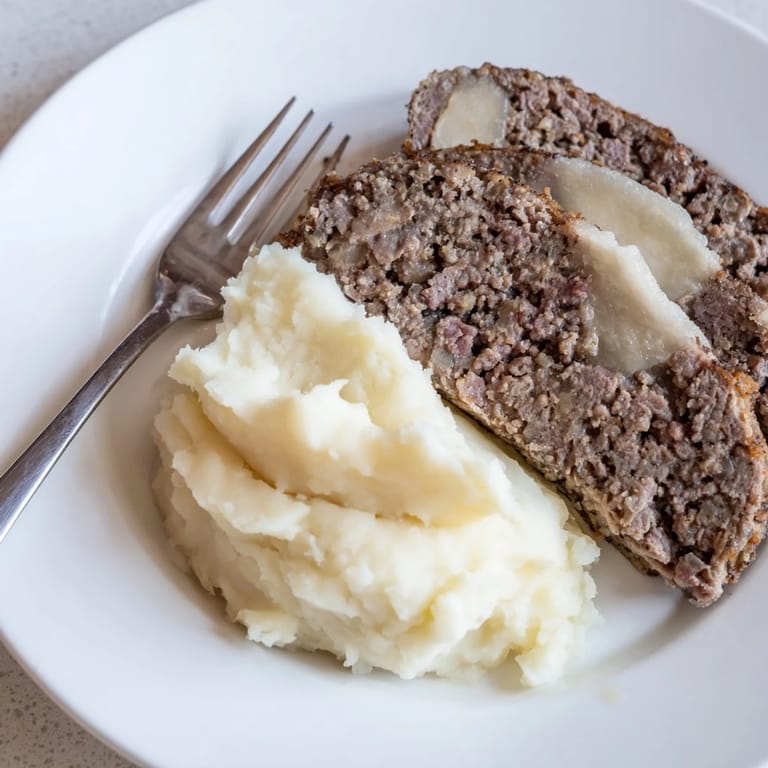
I remember the moment the haggis came out of the pot and Margaret sliced into it with a sharp knife, steam rising up between us. She mashed the potatoes and turnips while I stood there watching, and she said, half joking, that if I could handle making this without flinching, I could handle anything in a Scottish kitchen. That meal tasted like pride, honestly—not in a showy way, but in the quiet kind where you know youre eating something real and carefully made.
Ingredients
- Sheeps heart, liver, and lungs (500 g): These are the soul of haggis, and yes, I know they sound intimidating, but they cook down into something savory and rich that you absolutely cannot replicate with just mince.
- Beef or lamb suet (200 g): This keeps everything moist and adds that unctuousness that makes haggis feel luxurious, not heavy.
- Lamb or beef mince (300 g): Optional, but it softens the intensity slightly and gives the texture a bit more familiarity if youre easing into offal cooking.
- Steel-cut oats (150 g): Toast them first—this small step deepens their flavor and keeps them from turning mushy.
- Onions (2 medium): Finely chopped, they melt into the mixture and provide sweetness that balances the spices beautifully.
- Beef stock (250 ml): This keeps the mixture moist and adds savory backbone.
- Ground black pepper, coriander, nutmeg, and allspice (as listed): These spices are what make haggis taste like itself—dont skip them or substitute carelessly.
- Salt (1½ tsp): Essential for seasoning through all those rich ingredients.
- Sheeps stomach or large sausage casing: If using casing, rinse thoroughly; if using a pudding basin, it works just as well and feels less daunting.
- Potatoes and turnips (500 g each): These sides are non-negotiable and should be buttery and seasoned generously.
Tired of Takeout? 🥡
Get 10 meals you can make faster than delivery arrives. Seriously.
One email. No spam. Unsubscribe anytime.
Instructions
- Cook the offal gently:
- Place the heart, liver, and lungs in a pot of cold water and bring it slowly to a boil—this helps them cook through evenly. Simmer for 1 to 2 hours until theyre completely tender and easy to break apart with a fork. Let them cool enough to handle, then mince them finely, discarding any tough bits.
- Build your base:
- Combine the minced offal with the suet, toasted oats, chopped onions, and optional mince in a large bowl. This is where the magic starts—youre layering textures and beginning to understand why these specific ingredients matter together.
- Season and bind:
- Pour in the beef stock and all your spices—black pepper, coriander, nutmeg, and allspice—then mix thoroughly until the texture is moist but not soupy, like a thick, seasoned porridge. Taste it as you go and adjust if you need more salt or spices.
- Fill your casing:
- If using a sheeps stomach, rinse it well inside and out, then carefully fill it loosely with the mixture, leaving space for the oats to expand during cooking. Tie the ends securely with kitchen twine. If using a pudding basin instead, spoon the mixture in and cover the top tightly with foil.
- Steam it slowly:
- Place the filled casing or basin in a large pot of simmering water—the water should come halfway up the side but never cover the top. Let it simmer gently for 2 hours, checking the water level every 30 minutes to ensure nothing dries out.
- Prepare your sides:
- While the haggis cooks, boil the potatoes and turnips separately in salted water until theyre completely tender, about 20 to 25 minutes. Drain them well, then mash each one with butter and season generously with salt and pepper.
- Rest and serve:
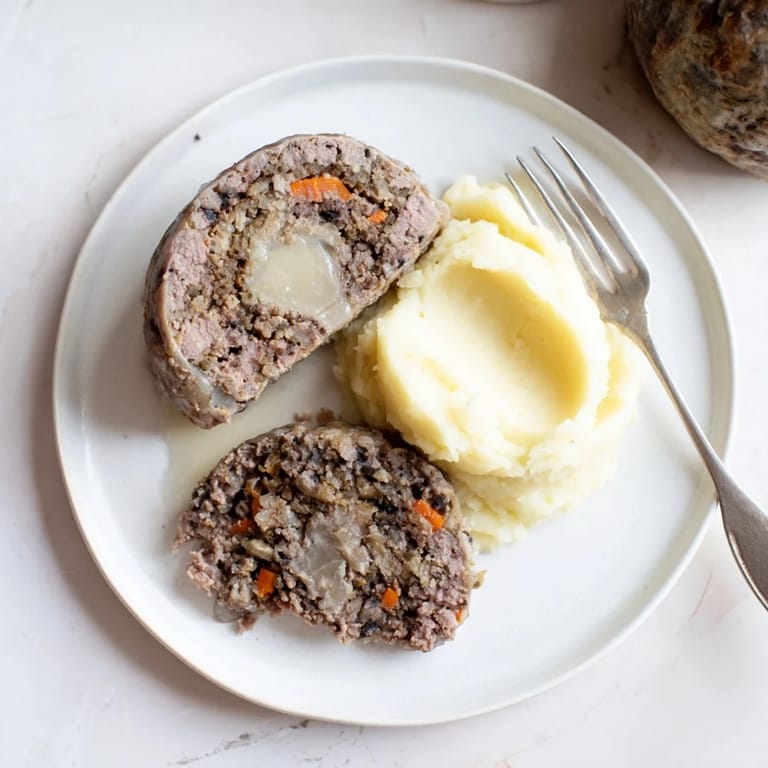
- When the haggis is done, carefully lift it from the pot and let it rest for a few minutes so it firms up slightly. Slice it open with a sharp knife, letting the steam escape, and serve alongside your creamy neeps and tatties.
 Pin it
 There was a moment when Margaret and I were mashing the turnips together, and she told me that her family had been making haggis the same way for generations, and yet each time felt like the first time because she was always learning something new about flavor and timing. That's when I realized haggis isn't just a dish—it's a conversation across time.
Why This Dish Matters
Haggis carries the weight of Scottish history and ingenuity. It emerged from a practical necessity—using every part of the animal—and somehow became something celebrated and ceremonial. Making it at home is a way of honoring that tradition while proving to yourself that theres nothing scary about cooking with ingredients that sound unfamiliar. The spices, the richness, the way it comes together—it all makes sense once youve done it once.
The Ritual of Serving
Haggis is almost always served with neeps and tatties, and this combination is about more than just flavors working together. The buttery, slightly sweet mashed turnips and potatoes provide a gentle cushion for the bold, savory haggis, and together they create a meal that feels complete and intentional. When you serve this, youre not just putting food on a plate—youre inviting people into a moment of Scottish culinary heritage.
Making It Your Own
The traditional recipe is beautiful as it is, but haggis has always been adaptable, which is exactly why it survived and thrived. Some people add a splash of whisky to the mixture, others prefer a milder version made mostly with mince instead of offal, and there are genuinely delicious vegetarian versions using mushrooms and pulses. The core of haggis is about balance and boldness, so once you understand that, you can adjust it to suit your tastes and comfort level.
- If whisky cream sauce appeals to you, drizzle it over the sliced haggis just before serving for an extra layer of luxury.
- Make sure your potato masher is sturdy enough to handle both potatoes and turnips without struggling.
- Always let the haggis rest for a few minutes after removing it from the pot—this helps it hold together when you slice it open.
 Pin it
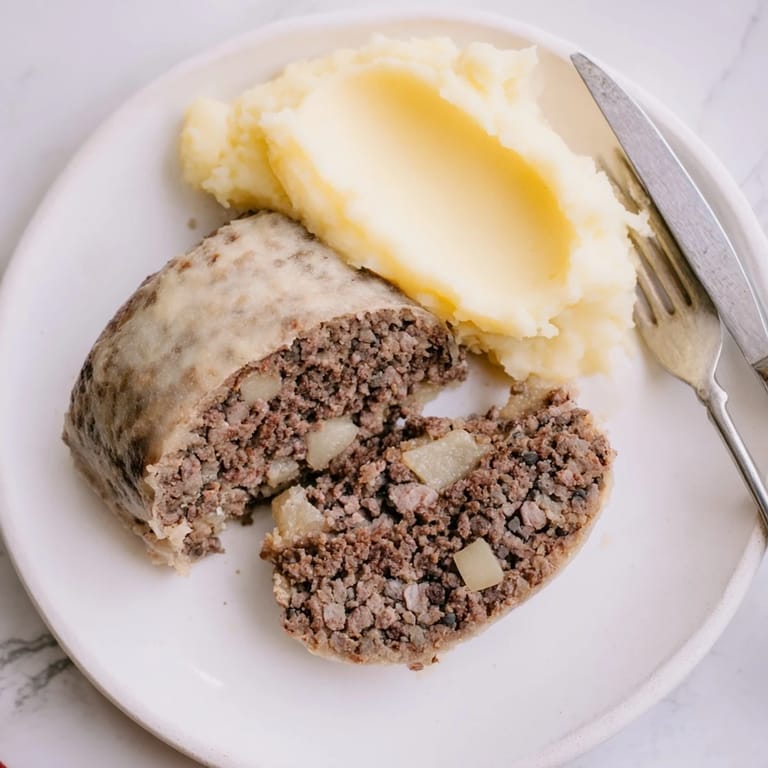
 Making haggis is less about following instructions perfectly and more about trusting the process and understanding why each ingredient matters. Once youve tasted it hot from the pot, served alongside creamy neeps and tatties, youll understand why this humble dish has earned its place at the heart of Scottish food culture.
Recipe FAQs
- → What cuts of meat are used in Scottish haggis?
Traditionally, sheep's heart, liver, and lungs are finely minced and combined with suet and optional mince for texture.
- → How is the oatmeal incorporated into the dish?
Steel-cut oats are toasted to enhance flavor, then mixed with the minced meats and aromatics before cooking.
- → What cooking method is typical for haggis?
The mixture is packed into a casing or pudding basin and simmered gently in boiling water for about two hours.
- → What are neeps and tatties?
They are traditional Scottish side dishes consisting of mashed turnips (neeps) and mashed potatoes (tatties), often served with butter.
- → Can haggis be made without offal?
Yes, for a milder taste, a mix of lamb or beef mince can replace offal, and vegetarian versions use pulses and mushrooms.