 Pin it
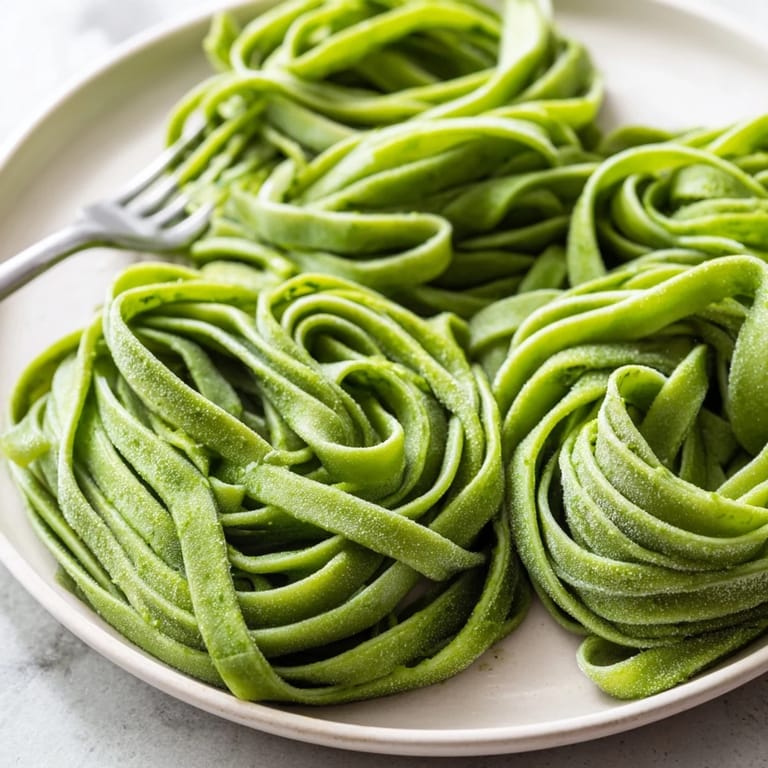
 The first time I made spinach pasta, my kitchen looked like a small green explosion had taken place. My fingertips stained emerald, flour dusting every surface, but that first sheet of vibrant jade dough emerging from my pasta roller made it all worthwhile. I'd been intimidated by homemade pasta until my neighbor Maria, whose family came from Bologna, showed me how forgiving the process actually is. The spinach not only creates that stunning color but adds a subtle earthiness that plain pasta simply can't match.
Last autumn, I made this spinach pasta for a dinner party where one guest was particularly skeptical about anything homemade. She watched suspiciously as I rolled out the emerald sheets, but later cornered me in the kitchen for the recipe. Nothing quite matches the satisfaction of converting a doubter with something created by your own hands, especially when it comes with such visual drama.
Ingredients
- Fresh baby spinach: The fresher your spinach, the brighter your pasta color will be, and I once learned that squeezing out every last drop of moisture is crucial for dough that isnt sticky.
- Italian 00 flour: This superfine flour creates silkier pasta than all-purpose, though I discovered this after three batches with regular flour that were still completely delicious.
- Semolina flour: Adding this gives your pasta a pleasant bite, but I sometimes skip it when Im in a hurry without disaster striking.
- Eggs: Room temperature eggs incorporate much more easily, a trick I learned after fighting with cold dough for years.
- Sea salt: Dont skimp here as it brings out the subtle spinach flavor that might otherwise get lost.
Tired of Takeout? 🥡
Get 10 meals you can make faster than delivery arrives. Seriously.
One email. No spam. Unsubscribe anytime.
Instructions
- Prep your spinach:
- Blanch those lovely green leaves just until they surrender and wilt, about 30 seconds. The transformation is quick, so keep your eyes on them.
- Create the puree:
- After squeezing every drop of moisture from your spinach, chop it finely or blend until smooth. The more uniform your puree, the more evenly colored your pasta will be.
- Build your dough foundation:
- Create a flour volcano on your counter with a crater deep enough to hold your eggs and spinach. This old-school method connects you to generations of Italian nonnas.
- Mix with care:
- Using a fork, gradually incorporate flour into your wet ingredients, working from the inside out. Watching the transformation from liquid to dough is oddly satisfying.
- Knead with love:
- This is where the magic happens as you work the dough for 8-10 minutes until it becomes smooth and elastic. Your hands will know when its ready.
- Let it rest:
- Wrap your dough baby tightly and let it relax for 30 minutes. This isnt just tradition, the gluten needs time to develop properly.
- Roll and shape:
- Whether using a machine or rolling pin, work gradually from thicker to thinner settings. The dough should feel alive under your hands, stretching willingly without tearing.
- Quick cooking:
- Fresh pasta needs just 1-2 minutes to cook to perfection. Watch carefully as it floats to the top of the boiling water.
 Pin it
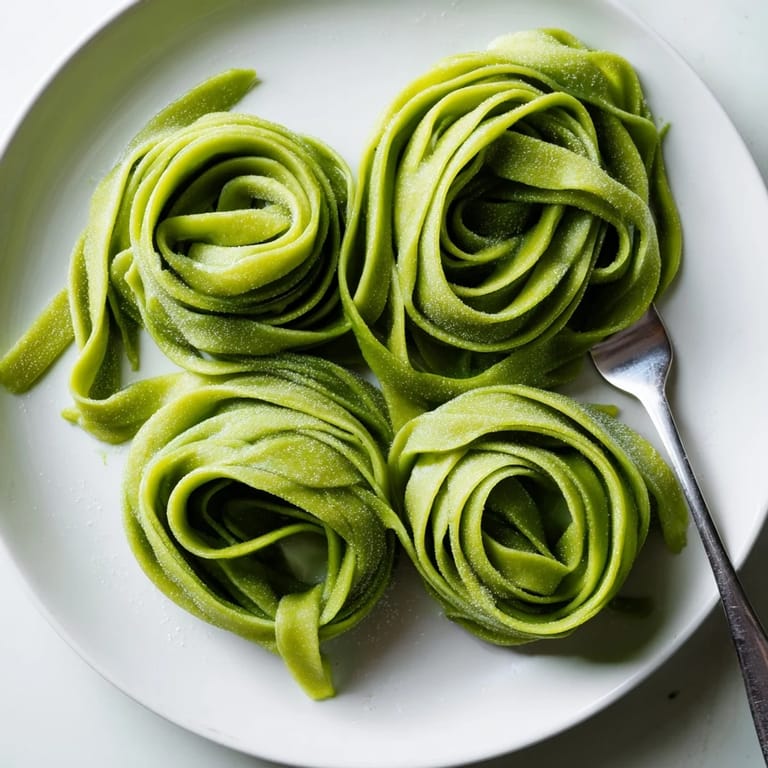
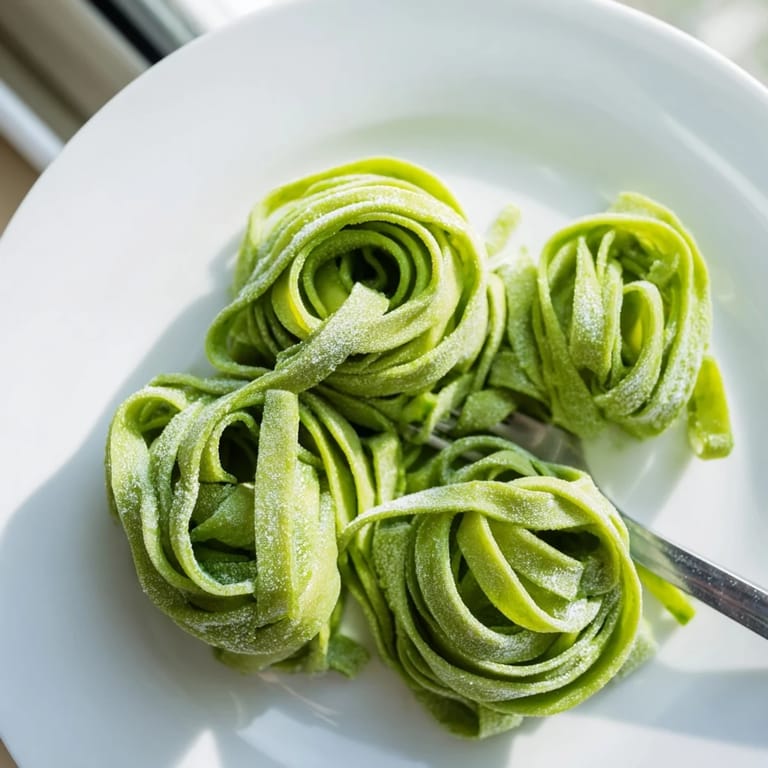
 My sister claimed she didnt like spinach until I served her this pasta topped with nothing more than brown butter and sage. The look on her face as she twirled that first fork of emerald fettuccine told me everything before she even took a bite. Sometimes the simplest dishes create the most profound connections, and now she requests this pasta whenever she visits.
Storing Your Pasta
Ive learned that fresh spinach pasta can be stored uncooked for up to 24 hours in the refrigerator, but needs to be well-floured and loosely covered to prevent sticking. For longer storage, I dry the pasta completely on a rack before storing in an airtight container, though nothing quite matches the tender texture of pasta made the same day.
Creative Serving Ideas
The vibrant green color of this pasta creates a stunning canvas for simple sauces that let its beauty shine through. My personal favorite is a light cream sauce with lemon zest and fresh peas, creating a spring-on-a-plate effect that tastes as good as it looks. This pasta also makes an incredible base for seafood, with the oceanic flavors somehow enhancing the earthiness of the spinach.
Troubleshooting Your Dough
After many batches of spinach pasta, Ive encountered nearly every possible issue and lived to tell about it. If your dough tears easily when rolling, it likely needs more kneading or rest time to develop the gluten structure. Pasta dough that feels too dry and crumbly usually just needs a few drops of water worked in gradually, while overly sticky dough can be rescued with light dustings of flour.
- Refrigerated dough will be stiffer at first, so let it warm up for 15-20 minutes before rolling.
- If your pasta sticks to itself when cut, dust generously with flour and separate pieces immediately.
- Watch your cooking time carefully as fresh pasta goes from perfect to mushy in seconds.
 Pin it
 This spinach pasta has become my signature dish, the one friends request and family members brag about to their friends. Its a reminder that sometimes the most impressive dishes require nothing more than simple ingredients and a willingness to get your hands a little messy.
Recipe FAQs
- → Why is squeezing the spinach so important?
Excess moisture in the spinach prevents the dough from becoming sticky and difficult to work with. Thorough squeezing ensures the right dough consistency for kneading and rolling.
- → Can I use frozen spinach instead of fresh?
Yes, use thawed frozen spinach and squeeze it thoroughly in a clean kitchen towel to remove as much liquid as possible. You'll need about 75-80g thawed weight to achieve the same result as fresh spinach.
- → What does the resting period do for the dough?
The 30-minute rest allows the gluten to relax and the flour to fully hydrate, making the dough easier to roll out and creating a smoother, more elastic texture for shaping.
- → How long can I store the prepared dough?
Wrapped tightly in plastic wrap, the dough keeps refrigerated for up to 24 hours. Return it to room temperature for about 15 minutes before rolling for best results.
- → What's the difference between Italian 00 flour and all-purpose flour?
Italian 00 flour is milled to an extremely fine powder with lower protein content, creating a silkier, more delicate dough perfect for fresh pasta. All-purpose flour produces a slightly chewier texture.
- → Can I make this without a pasta machine?
Absolutely. A rolling pin works well for creating thin, even sheets. The process takes longer, but the results are equally delicious. Let the dough rest between rolling sessions.