 Pin it
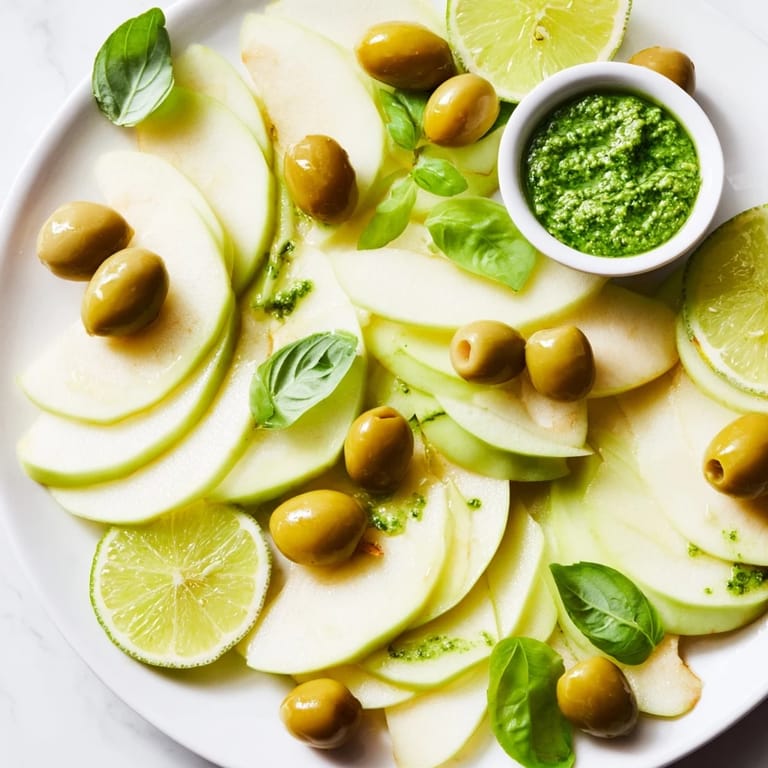
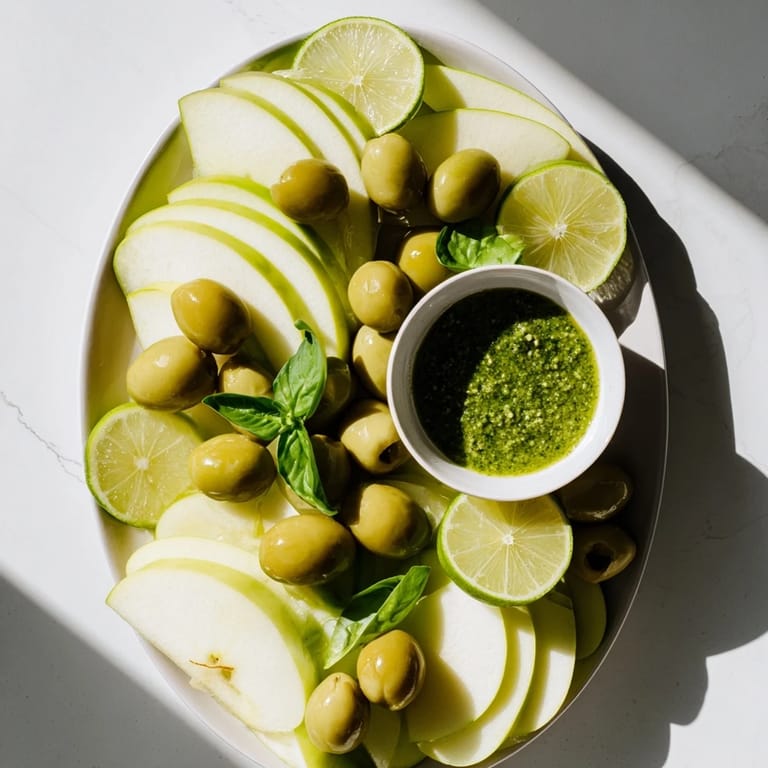
 I discovered the power of a monochromatic board completely by accident one summer afternoon when my produce drawer had an abundance of green things and practically nothing else. Instead of running to the store, I grabbed what I had—tart Granny Smiths, bright limes, a jar of pesto—and arranged them on a wooden board with a handful of olives I'd been saving. What emerged was unexpectedly striking, and when guests arrived that evening, they couldn't stop reaching for it. It wasn't fancy or complicated, but something about that unified palette made everything taste better, like my eyes were already satisfied before my mouth got involved.
I remember serving this at a dinner party when someone's partner turned out to be recently diagnosed with celiac disease, and instead of scrambling or making them feel like an afterthought, I realized this board had always been gluten-free. They loaded their plate unapologetically, and I loved watching them relax instead of worrying about what they could and couldn't eat. That taught me that sometimes the simplest approach solves the most problems.
Ingredients
- Granny Smith apples: Their tartness balances the richness of pesto and their firm texture holds up better than softer varieties—slice them just before serving or toss them gently with lime juice to prevent that disappointing brown oxidation.
- Limes: These aren't just decoration; their bright acidity is essential to the whole flavor story, so use fresh ones and don't skip the juice brushed on the apples.
- Pesto: Store-bought saves time, but if you have basil growing or see it cheap at the market, blending your own takes five minutes and tastes noticeably fresher—arugula pesto adds a peppery twist that's equally stunning in green.
- Green olives: Look for Castelvetrano or Manzanilla varieties; they're buttery and mild rather than aggressively salty, which lets the other flavors shine instead of overwhelming them.
Tired of Takeout? 🥡
Get 10 meals you can make faster than delivery arrives. Seriously.
One email. No spam. Unsubscribe anytime.
Instructions
- Prep your base ingredients:
- Wash and thoroughly dry your apples and limes—any water clinging to them will dilute the beautiful presentation and make things soggy. Pat them dry with a clean kitchen towel and work with them immediately so nothing has time to oxidize.
- Arrange the apples:
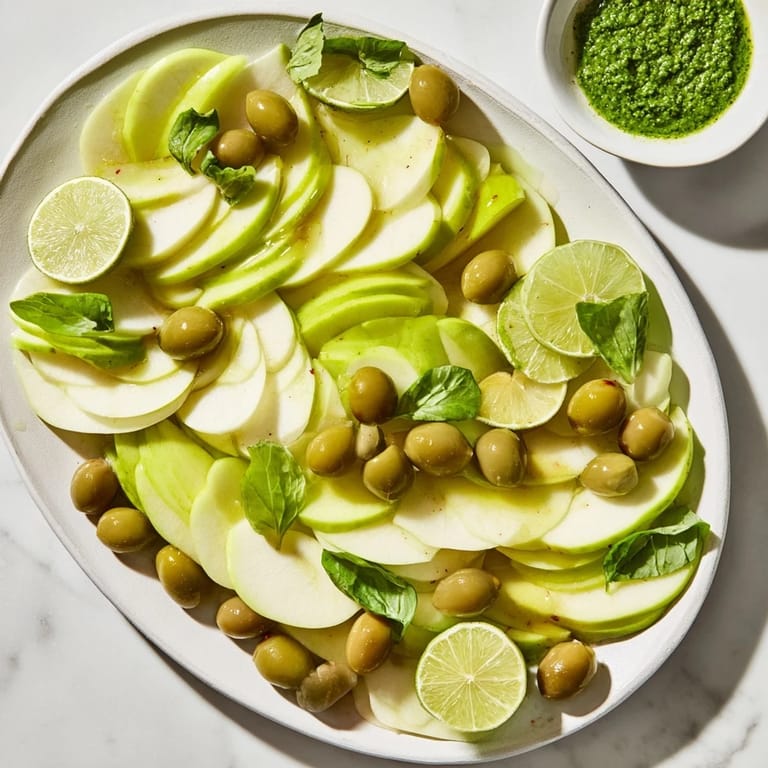
- Slice them thinly and lay them out in overlapping rows across your board, thinking of it like creating a pattern rather than just dumping things down. Immediately brush each slice with fresh lime juice to keep them bright and prevent browning.
- Add lime geometry:
- Cut your limes into rounds or wedges and tuck them between and around the apple slices, letting their color echo and amplify the green theme. The contrast between the two textures creates visual movement that makes the board feel more intentional.
- Position the pesto:
- Spoon your pesto into a small bowl and nestle it somewhere central on the board where people can easily dip into it without knocking things over. This becomes the anchor point that ties everything together flavor-wise.
- Scatter the olives:
- Distribute the pitted olives across the board, using them to fill gaps and add pockets of texture between the apples and limes. They should feel naturally distributed, not forced, like they landed exactly where they needed to be.
- Serve immediately:
- The whole point is crispness and vibrancy, so get this to the table as soon as it's assembled. Fresh apples and bright colors are the whole experience here.
 Pin it
 My favorite moment with this board happened when my six-year-old nephew picked it up from the table and announced that it looked like "a garden board from Shrek's swamp," except beautiful instead of gross. Somehow that ridiculous comment made the whole table laugh, and suddenly the board became less about looking impressive and more about bringing people together over something bright and fun. That's when I realized the real point of this board isn't the aesthetics at all—it's permission to slow down and enjoy eating something fresh with people you like.
The Story Behind Green Boards
Monochromatic boards became trendy a few years ago, but I think they work so well because they tap into something ancient in human food culture—the idea that limitations breed creativity. When you decide everything has to be green, suddenly you're thinking about ingredients differently, and that constraint becomes freeing instead of frustrating. I've made white boards (coconut, mozzarella, white chocolate), purple ones, even a yellow situation with pineapple and golden berries, but green remains my favorite because nature already did the styling for us.
Why This Works for Any Occasion
I've brought this board to potlucks, served it at dinner parties, and even assembled a small version for myself on lazy Sundays when I wanted something that felt special without actual effort. The beauty of a vegetable or fruit board is that it's infinitely flexible—nothing needs to be cooked, nothing can really be messed up, and you can prep everything hours ahead if you're smart about the lime juice trick. It bridges the gap between actual cooking and just putting things on a plate, which somehow makes it feel more impressive than either extreme.
Make It Your Own
Once you understand the bones of this board, it's yours to play with—add crispy green vegetables like cucumber or sugar snap peas if you want more crunch, throw in some fresh herbs like mint or tarragon for herbal notes, or even add a handful of green grapes for sweetness. I once added green peppercorns for heat and it shifted the whole mood of the thing. The pesto is the anchor, the apples and limes are the structure, and everything else is just you making it personal.
- If dairy is a concern, swap pesto for a nut-free, dairy-free version or make a green goddess dressing with yogurt and herbs instead.
- Serve this alongside crisp white wine or sparkling water with extra lime to extend the flavor experience and keep things feeling light and fresh.
- Remember that the moment this hits the table, people will start picking at it, so give yourself permission to embrace the chaos instead of fighting for perfection.
 Pin it
 This board is a reminder that you don't need complicated recipes or hours in the kitchen to create something that feels thoughtful and looks beautiful. Sometimes the best food moments come from working with what you have and trusting that simple, fresh ingredients arranged with a little intention are honestly enough.
Recipe FAQs
- → How do I keep the apple slices from browning?
Lightly brushing the apple slices with lime juice before arranging them helps slow oxidation and keeps them fresh-looking longer.
- → Can I make the pesto vegan-friendly?
Yes, use a pesto without cheese or substitute with a vegan version to maintain the vibrant green color and flavor.
- → What types of olives work best here?
Green olives like Castelvetrano or Manzanilla offer a mild, buttery texture that complements the fresh fruits and pesto well.
- → Is this snack board suitable for gluten-free diets?
Absolutely, all ingredients are naturally gluten-free, making it safe and tasty for gluten-sensitive individuals.
- → Any tips to enhance crunch and texture?
Adding green vegetables like cucumber slices or sugar snap peas can introduce extra crunch and visual variety.