 Pin it
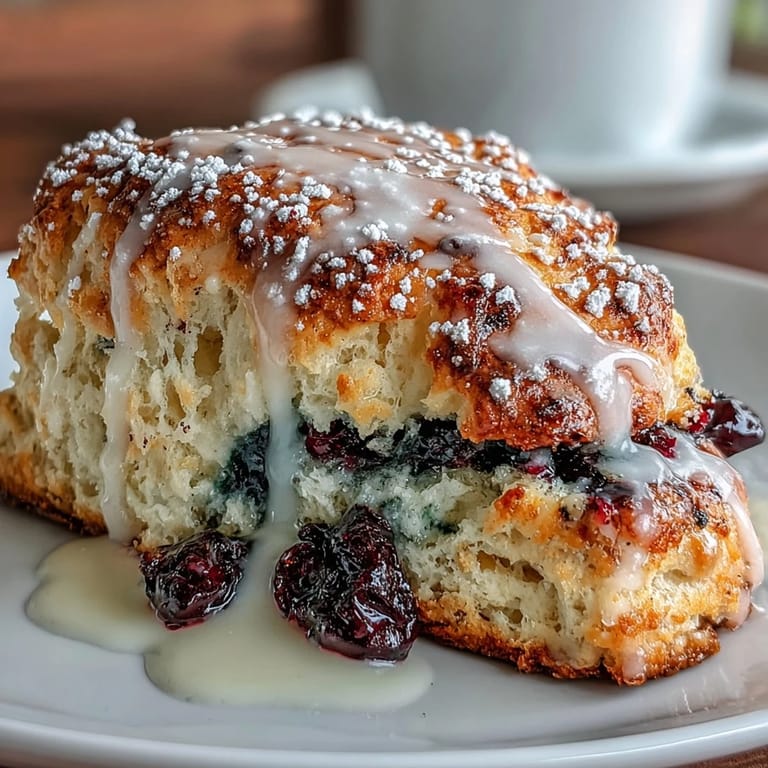
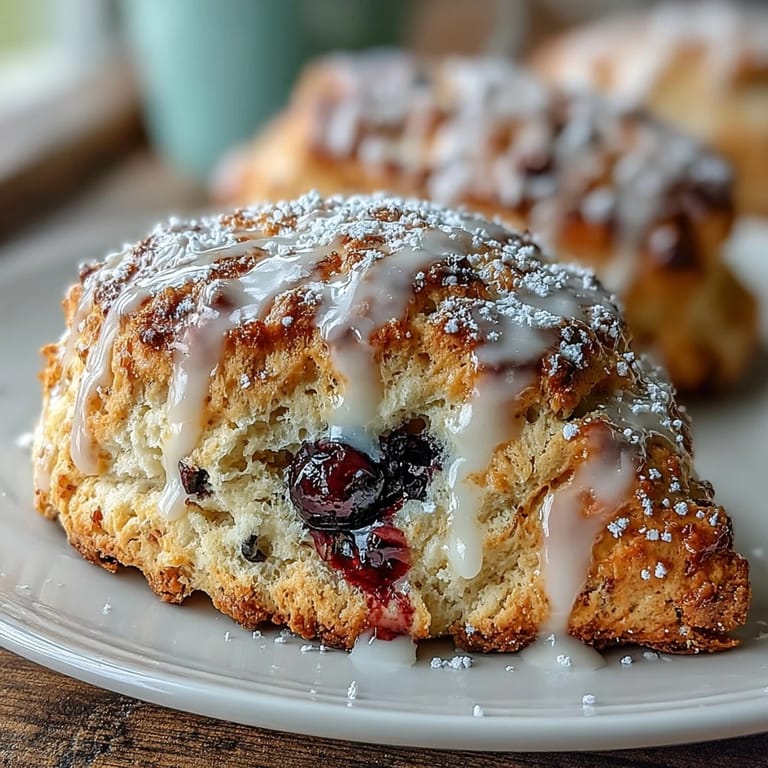
 The scent of lemon always seems to liven up my kitchen, but I never expected how satisfying it would be to bake my own blueberry scones one breezy Saturday morning. As the oven warmed and I zested that glossy lemon, the air filled with a tart sweetness that made me stop and smile. I hadn’t planned for anything fancy—just a lazy brunch to break up a busy week. By the time those golden triangles came out of the oven, I realized these scones could outshine most bakery displays. Lemon and blueberry together just work, somehow lifting each other’s flavors to something worth savoring.
One particularly rainy afternoon, I made these for my partner, only for us to stand, forks in hand, devouring scones straight from the tray while the glaze was still sticky. That impromptu moment of laughter and a little powdered sugar on the floor made the day feel both comforting and special. Even now, whenever I pull out a lemon, I'm half-expecting to start that impromptu scone ritual all over again.
Ingredients
- All-purpose flour: Sifting it first keeps the dough extra light—my early batches were too dense without this step.
- Granulated sugar: Just enough for sweetness—resist doubling it for a more balanced bite.
- Baking powder & baking soda: This combo guarantees a lofty rise and a tender crumb.
- Salt: Enhances the blueberries and balances the sweetness—never skip it.
- Lemon zest: Use a microplane for an even zest; it lifts the whole scone with aromatic brightness.
- Unsalted butter: Keep it cold so the scones stay flaky—I cut it in quickly and try not to handle the dough much.
- Heavy cream: Makes the crumb rich and moist—I always save a little for brushing the tops.
- Large egg: Binds and enriches—my scones have more structure with it.
- Pure vanilla extract: Just a splash adds warmth beneath the citrus.
- Fresh blueberries: Gently fold them in to prevent bruising—frozen work well too, but add them straight from the freezer.
- Powdered sugar: The base for the glaze—sift for a smooth drizzle.
- Fresh lemon juice: Brightens and sharpens the glaze, never bottled in my experience.
Tired of Takeout? 🥡
Get 10 meals you can make faster than delivery arrives. Seriously.
One email. No spam. Unsubscribe anytime.
Instructions
- Prep Everything:
- Preheat the oven to 400°F (200°C) and line a baking sheet with parchment paper so nothing sticks.
- Start the Dry Mix:
- In a big bowl, whisk together the flour, sugar, baking powder, baking soda, salt, and lemon zest—the scent will tempt you right away.
- Cut in the Butter:
- Add those cold butter cubes and use a pastry cutter or just your fingertips to work them in until the mix looks like coarse crumbs; feel free to pause and admire the flecks of lemon.
- Add Wet Ingredients:
- Whisk the heavy cream, egg, and vanilla in a separate bowl and pour it over the dry mix, stirring until it just comes together (don’t worry if it’s a bit shaggy).
- Incorporate Blueberries:
- Fold in the berries super gently—overmixing is the enemy of tender scones.
- Shape & Slice:
- Pat the dough out on a floured surface into a 7-inch round about 1 inch thick; slice into 8 even wedges using a sharp knife.
- Bake to Perfection:
- Move scones to the baking sheet, brush tops with heavy cream, and bake for 16–18 minutes until beautifully golden—listen for a faint sizzle at the edges.
- Cool and Glaze:
- Let scones cool on a wire rack before whisking together powdered sugar and lemon juice for the glaze, then drizzle with abandon once completely cool.
 Pin it
  Pin it
 There was a morning when a friend dropped by unannounced, and within an hour, the smell of zesty glaze and sugar pulled us—still in pajamas—together at the kitchen counter with warm mugs and fresh scones. I realized then that these are the kinds of recipes that transform simple visits into joyful, impromptu celebrations.
Tricks for Lighter, Fluffier Scones
One surprise that made a real difference for me was chilling my shaped scones in the fridge for ten minutes before baking. This quick step helped them puff up beautifully and kept the interiors soft. Whenever I skip it, they still taste great, but those flaky layers are worth the tiny wait.
Glaze Goals: Getting It Right
Getting the lemon glaze just the right consistency felt like a little victory after a few runny attempts. I learned to whisk in lemon juice slowly, adding only what was needed until the glaze dropped in thick ripples rather than running everywhere. Sifting the powdered sugar saves you lumps and makes the drizzle look seriously pro.
Fresh Blueberries Versus Frozen? My Honest Take
My kitchen has seen both kinds and both work, but frozen berries bleed a bit, swirling purple streaks in the dough. I never thaw them—just toss straight from the freezer. When using fresh, be extra gentle as you fold so each scone gets a plump berry or two.
- If using frozen, add a minute or so to the bake time.
- Wipe off any excess moisture from fresh berries so the dough doesn't get soggy.
- Double the lemon zest if you're craving extra brightness.
 Pin it
  Pin it
 May your kitchen fill with lemony warmth and good cheer—and may there always be one scone left to fight over. Enjoy every crumb, because these never last long around here.
Recipe FAQs
- → Can I use frozen blueberries?
Yes—use frozen berries straight from the freezer and fold them in gently to avoid turning the dough purple. Keeping them unthawed helps prevent excess moisture.
- → How do I keep scones flaky and tender?
Work quickly and keep ingredients cold. Cut cold butter into the flour until it resembles coarse crumbs so pockets of butter steam in the oven and create flakiness.
- → Can I substitute the heavy cream?
Substitute buttermilk or full-fat yogurt thinned with a little milk for similar acidity and moisture; the texture will be slightly denser.
- → How should I store leftovers?
Store cooled scones in an airtight container at room temperature for up to 2 days. Rewarm briefly in a low oven to refresh the crust, or freeze baked scones for up to 1 month.
- → How do I adjust the glaze consistency?
For a thicker glaze use less lemon juice; for a thinner drizzle add more juice a teaspoon at a time until you reach the desired pourable consistency.
- → Can I change the citrus for a twist?
Yes—swap lemon zest and juice for orange or lime to change the flavor profile; adjust sweetness of the glaze to match the citrus intensity.