 Pin it
 There was a quiet afternoon when I ran out of bread but had a craving for something soft and pillowy to wrap around my leftover roasted veggies. The fridge offered only cottage cheese and eggs, and against all odds, necessity hatched this ingenious flatbread. As the whirr of my blender broke the kitchen silence, I wondered if those two humble ingredients could pull off the impossible. What wafted from the oven twenty minutes later had the kitchen smelling cozy and unexpectedly savory. I’ve since turned to this recipe for every mad-dash lunch and late-night snack that needed a bread fix in a hurry.
The first time I made these, my roommate wandered into the kitchen drawn by the nutty aroma, and asked if I’d started baking again—only to gape at the sight of cottage cheese whirring in the blender instead of flour. We ended up making a spontaneous ‘wrap bar’ for dinner, giggling as the flatbreads held together better than any of our usual tortillas. There’s something strangely gratifying about pulling them off the parchment, marveling at how something so simple becomes a staple. My friend has since requested them more times than I can count. Even my breakfast-averse brother grabbed one hot off the tray and, without thinking, asked for seconds.
Ingredients
- Cottage cheese: The star of the show—choose full-fat for rich flavor, or low-fat for a lighter bite. Blending until ultra-smooth is key for that perfect, non-grainy texture.
- Eggs: Just two large eggs bind everything and help it lift as it bakes. I’ve learned that fresh eggs help the mixture set better and make peeling from the parchment a breeze.
Tired of Takeout? 🥡
Get 10 meals you can make faster than delivery arrives. Seriously.
One email. No spam. Unsubscribe anytime.
Instructions
- Set up your baking station:
- Preheat the oven to 350°F and line a baking sheet with parchment—it’ll save you from stubborn sticking later.
- Combine and blend:
- Pour the cottage cheese and eggs into your blender or food processor, and blend until dreamy-smooth with no visible lumps left, usually half a minute.
- Shape on parchment:
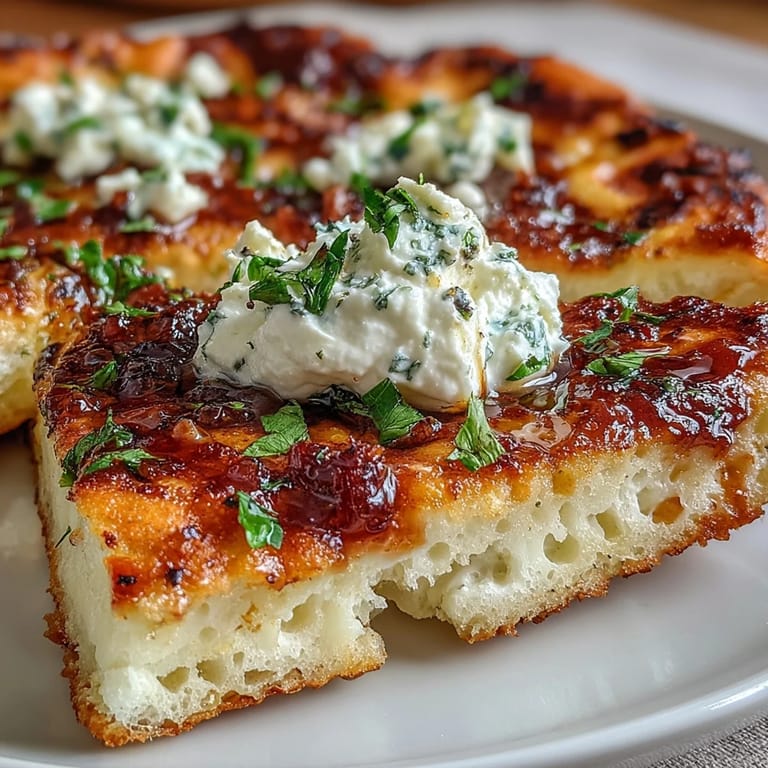
- Spoon out the batter onto your lined tray, spreading with a spatula into rounds or rectangles around 1/4 inch thick—don’t worry if they look thin, they’ll puff up.
- Bake to golden:
- Slide the sheet into the oven, and inhale as they bake for about 20 minutes, until they’re golden at the edges and set in the center.
- Cool and peel:
- Give them a moment to cool, then gently coax each flatbread off the paper—if they’re stubborn, use a thin spatula and take your time.
- Storing leftovers:
- Once they’re fully cool, wrap and refrigerate—an airtight container keeps them soft for up to 3 days.
 Pin it
 One Saturday brunch, I served a stack of these beside a bowl of scrambled eggs and sautéed greens. The table grew quiet as everyone tried a bite, then burst into chatter about possible toppings—from smoked salmon to roasted peppers. That was the day these flatbreads graduated from experiment to essential in my kitchen. It’s now my magic trick for last-minute guests. The proudest moment was watching my skeptical dad, a lifelong white bread devotee, ask if I could make him a batch to take home.
Getting That Perfect Flexible Texture
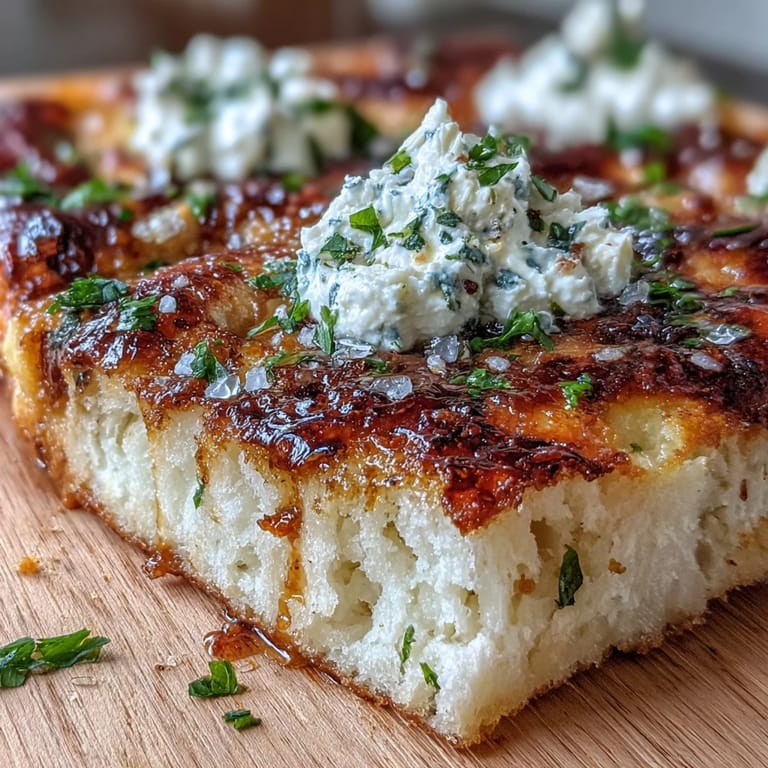
I noticed the magic texture only happens if you spread the batter thin enough—it shouldn’t be thicker than 1/4 inch. The edges might crisp, but the middle stays wonderfully pliant, great for folding around chicken or veggies. If you want crisper edges, just leave them in the oven for another couple minutes. Trust your eyes and nose—the golden hue and faintly toasty smell let you know they’re done. Waiting a minute before peeling off the parchment helps prevent any breakage.
Ways to Level Up the Flavor
Plain, these flatbreads have a gentle, milky taste that pairs with anything. But after a few batches, I started tossing in garlic powder, dried herbs, or even a pinch of chili flakes for boldness. Swirling pesto or sundried tomato paste into the batter makes them feel fancier for pizza nights. Even a little black pepper can work wonders—season to your mood. It’s an easy foundation for creativity.
Repurposing and Storing Extras
When I have a few leftover flatbreads, I use them as quesadilla shells, pizza bases, or roll them up like crepes with sweet fillings. They reheat beautifully in a skillet—just a minute per side and they’re as good as fresh. Airtight storage is key to keeping them soft and flexible.
- If you want them crisp, toast in a dry pan for extra crunch.
- Switch out cottage cheese for a dairy-free version if needed—just check your brand’s texture.
- Remember, fully blended batter keeps the results smooth and tear-free.
 Pin it
 Give these cottage cheese flatbreads a try the next time you need a quick fix or want to impress with something a bit different. Simple, adaptable, and full of possibility—they might just become your new bread standby.
Recipe FAQs
- → How should I store the flatbreads?
Cool completely, then store in an airtight container in the refrigerator for up to 3 days. Reheat briefly in a skillet or oven to restore pliability. Freezing is possible but may change texture on thawing.
- → Can I make a dairy-free version?
Use a dairy-free cottage cheese alternative if available; texture can vary and may yield a softer or slightly grainy result. Adjust baking time and consider draining excess liquid before blending.
- → How do I get crisper edges or a firmer crust?
Spread the batter thinner and bake a few extra minutes until golden. After baking, finish in a hot, lightly oiled skillet for a minute per side to develop crispness without drying the center.
- → Are there good egg-free binders?
Eggs provide structure and lift. For egg-free swaps try 3 tbsp aquafaba per egg or a mix of 1/4 cup chickpea flour plus water; expect differences in texture and color, and adjust hydration and baking time accordingly.
- → What flavor additions work best?
A pinch of salt, cracked pepper, garlic powder, chopped herbs, or grated Parmesan folded into the batter adds depth. For savory variations, stir in finely chopped scallions, sun-dried tomatoes, or za'atar before baking.
- → How many servings and nutritional notes?
Yields 3–4 flatbreads. Per serving (based on 4): about 70 calories, 3 g fat, 2 g carbs, and 9 g protein. Contains eggs and dairy—avoid if you have related allergies.