 Pin it
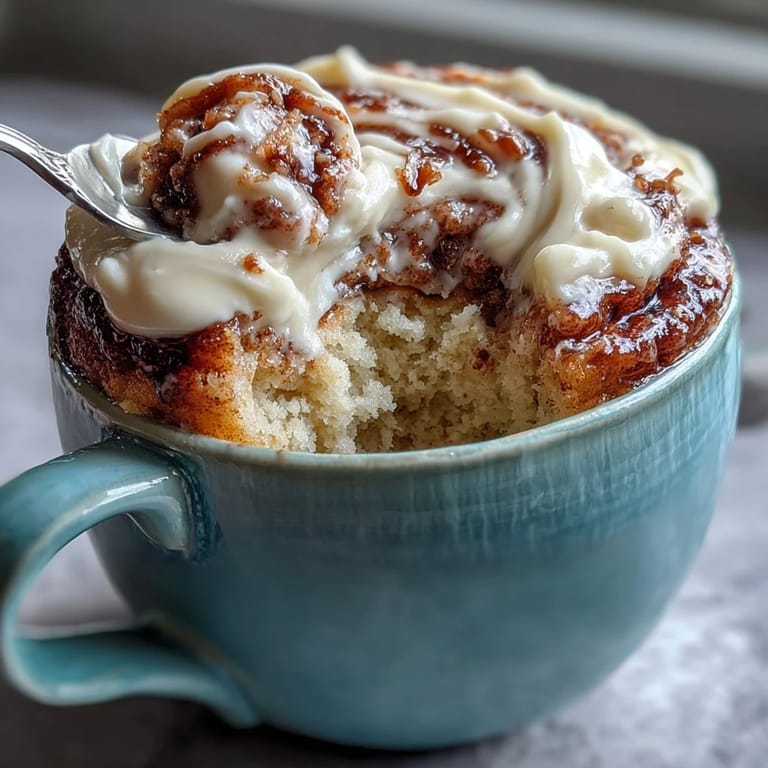
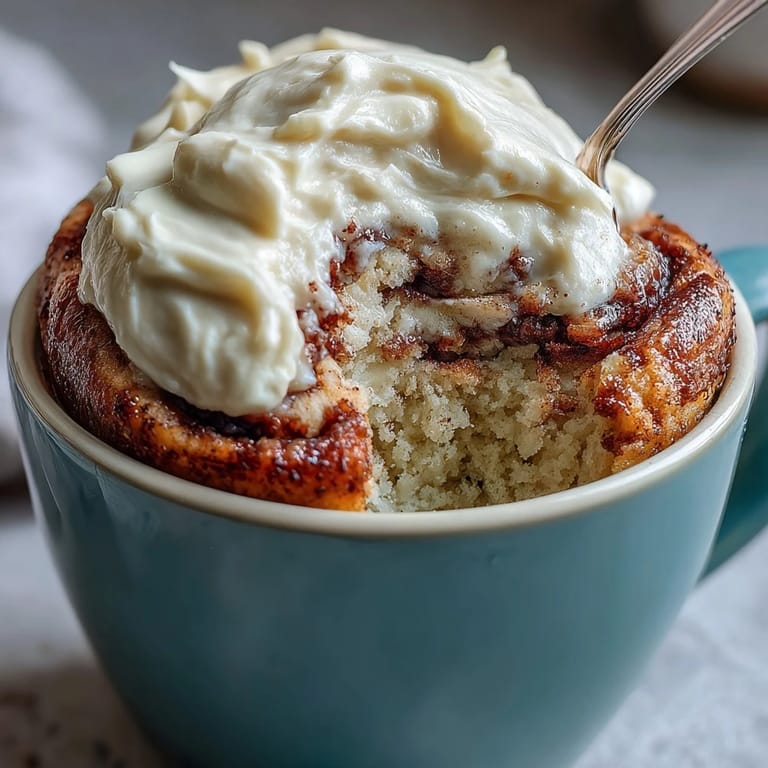
 There's something oddly satisfying about standing in front of the microwave at 6 AM, waiting for a warm, cinnamon-swirled cake to materialize in under two minutes. I stumbled onto this mug cake concept during a hectic week when I wanted something sweet but refused to derail my fitness goals, and it completely changed how I think about breakfast. The first time I swirled that melted butter and brown sugar mixture into the batter, I half-expected disappointment, but when I pulled it out steaming and fluffy with that creamy topping, I realized I'd accidentally created something I'd make again and again.
My roommate walked into the kitchen one morning while I was assembling this and asked what smelled so good, expecting me to say I'd ordered pastries. When I told her it was made in a mug, she didn't believe me until she tasted it. Now she makes her own version most mornings, and we've had actual conversations about whether brown sugar or coconut sugar makes the better swirl.
Ingredients
- Vanilla protein powder (1 scoop): This is your foundation, keeping things high-protein and binding everything together without the density of flour alone.
- Oat flour (2 tablespoons): Adds structure and a slight nutty quality that plays beautifully with cinnamon, but almond flour works if you want to cut carbs.
- Baking powder (1/2 teaspoon): Essential for lift; don't skip it or you'll end up with a dense, gummy disk instead of a fluffy cake.
- Ground cinnamon (1/4 teaspoon in batter, plus 1/2 teaspoon for the swirl): The star of the show, bringing warmth and complexity that justifies calling this a treat.
- Granulated sweetener (1 tablespoon): Use erythritol or stevia if you're avoiding sugar; they dissolve cleanly without the slight bitter aftertaste that some sweeteners leave.
- Egg (1 large): Gives structure and moisture; it's doing heavy lifting in such a small batch.
- Milk (3 tablespoons): Dairy or non-dairy both work; it creates the batter consistency you need for the microwave.
- Unsalted butter (1/2 tablespoon), melted: For the swirl, it carries the cinnamon-sugar mixture into every layer of the cake.
- Brown sugar (1 tablespoon): Slightly more complex than granulated sugar, with molasses notes that elevate the cinnamon swirl.
- Light cream cheese (1 tablespoon) and Greek yogurt (1/2 tablespoon): The topping that changes everything, adding tanginess and creaminess without heaviness.
Tired of Takeout? 🥡
Get 10 meals you can make faster than delivery arrives. Seriously.
One email. No spam. Unsubscribe anytime.
Instructions
- Combine your dry mix:
- In your microwave-safe mug, whisk protein powder, oat flour, baking powder, cinnamon, salt, and sweetener until there are absolutely no lumps hiding in the corners. This takes about 30 seconds and prevents unpleasant gritty pockets in the final cake.
- Create a smooth batter:
- Add the egg and milk, stirring until everything comes together into a thick, pourable batter with no streaks of dry powder visible. You want it just thinner than pancake batter.
- Make the cinnamon swirl mixture:
- In a small bowl, stir together melted butter, brown sugar, and cinnamon into a paste-like consistency that's thick enough to hold its shape when spooned.
- Swirl with intention:
- Pour the swirl mixture over the batter in a slow spiral, then gently drag a toothpick or fork through it two or three times to create visible ribbons. Don't overwork it or the swirl blends into the cake instead of staying distinct.
- Microwave with confidence:
- Heat on high for 60 to 90 seconds, watching for the moment when the top springs back when you gently touch it. Every microwave is different; start at 60 seconds and add 15-second bursts if needed rather than overshooting.
- Prepare the cloud-like topping:
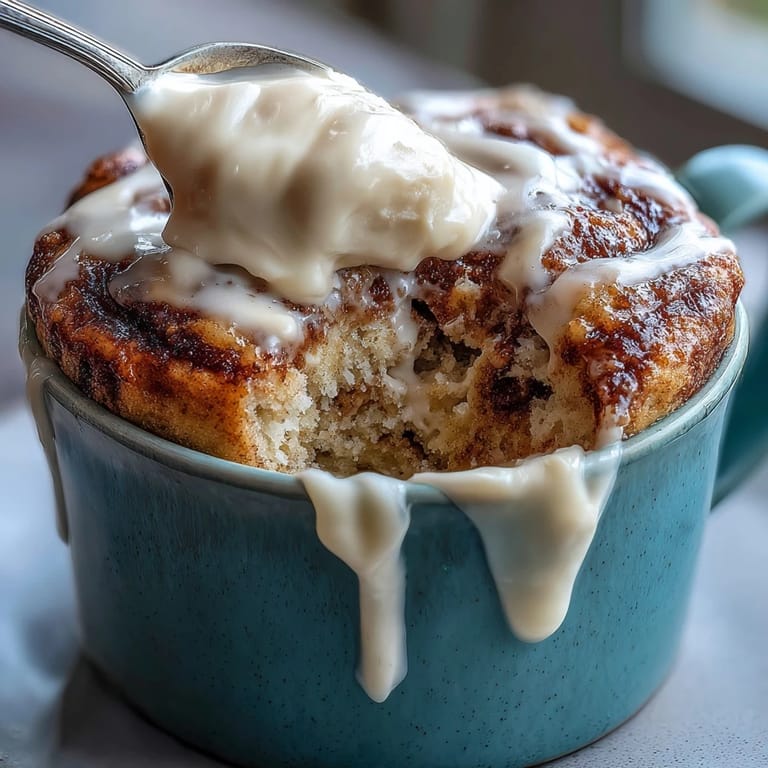
- While the cake is still warm, beat together softened cream cheese, Greek yogurt, and powdered sweetener until creamy and pipeable. Softening the cream cheese for 30 seconds in the microwave makes this step effortless.
- Top and serve immediately:
- Spread or pipe the topping onto the warm cake so it melts slightly into the crevices, then eat it right away while everything is still warm and the textures contrast beautifully.
 Pin it
 There was a morning when I made this in a rush before a long shift, expecting it to be utilitarian fuel, and instead found myself sitting on the counter for five minutes just enjoying how good it tasted and how the cinnamon-sugar swirl caught the light. That's when it stopped being a quick protein hack and became something I genuinely looked forward to making.
Microwave Power Variations
Not all microwaves are created equal, and this recipe is sensitive to that reality. Standard 1000-watt microwaves typically need the full 60 to 90 seconds, but older or smaller units might only need 45 seconds, while commercial or convection microwaves can finish it in 40 seconds. The safest approach is to start conservative and add time rather than subtract it, since overdone cake can't be rescued but underdone cake keeps cooking as it cools.
Flavor Customization Without Chaos
The beauty of this recipe is how gracefully it accepts small additions without falling apart. A drop of vanilla extract in the batter adds depth, almond extract makes it taste almost like a pastry shop creation, and a tiny pinch of nutmeg or cardamom in the swirl adds sophistication if you're feeling adventurous. I've also learned that adding a sprinkle of sea salt on top of the cream cheese topping creates an unexpectedly crave-able salty-sweet balance that keeps you coming back for one more bite.
- Vanilla or almond extract (a quarter teaspoon) transforms the flavor profile without adding sweetness.
- A tiny pinch of nutmeg in the swirl adds warmth that people taste but can't quite name.
- Crushed pecans or walnuts on top provide crunch that makes the whole experience feel more intentional.
Making It Your Own
Once you've made this a few times, you'll start seeing it as a template rather than a rigid formula. Swapping oat flour for almond flour cuts carbs and adds a slightly different texture, while experimenting with different protein powder flavors (cinnamon roll flavored protein is genuinely a thing and takes this to another level) keeps it interesting when you make it multiple times a week. The cream cheese topping is forgiving enough that you can adjust the ratio of Greek yogurt to cream cheese depending on whether you want it tangier or richer.
- Almond flour makes the crumb slightly denser but keeps carbs lower if that's your priority.
- Room-temperature ingredients mix more evenly and microwave more predictably than cold ones.
- Overcooking by 20 seconds is better than undercooking, since the cake will continue setting as it cools and texture matters more than timing.
 Pin it
 This mug cake quietly became part of my morning routine not because it's a hack or a substitute, but because it's genuinely delicious and makes me feel good about my choices. That's worth two minutes and one mug.
Recipe FAQs
- → Can I make this without protein powder?
Yes, substitute the protein powder with an equal amount of flour blend like oat or almond flour. The protein content will be lower, but the texture remains similar.
- → Why did my mug cake turn out rubbery?
Overcooking is the most common culprit. Microwaves vary significantly, so start checking at 60 seconds. The cake is done when it springs back when touched gently.
- → Can I prepare this ahead of time?
Mix the dry ingredients in advance and store in an airtight container. Add wet ingredients and cook when ready to eat for the freshest, fluffiest result.
- → What milk works best for this mug cake?
Any milk works beautifully—dairy, almond, oat, or soy. The choice slightly affects richness but not the overall structure or rising ability.
- → How do I get a better cinnamon swirl?
Drop the cinnamon mixture in small dollops across the surface rather than pouring. Use a toothpick to gently spiral through—don't overmix or you'll lose the distinct swirl pattern.