 Pin it
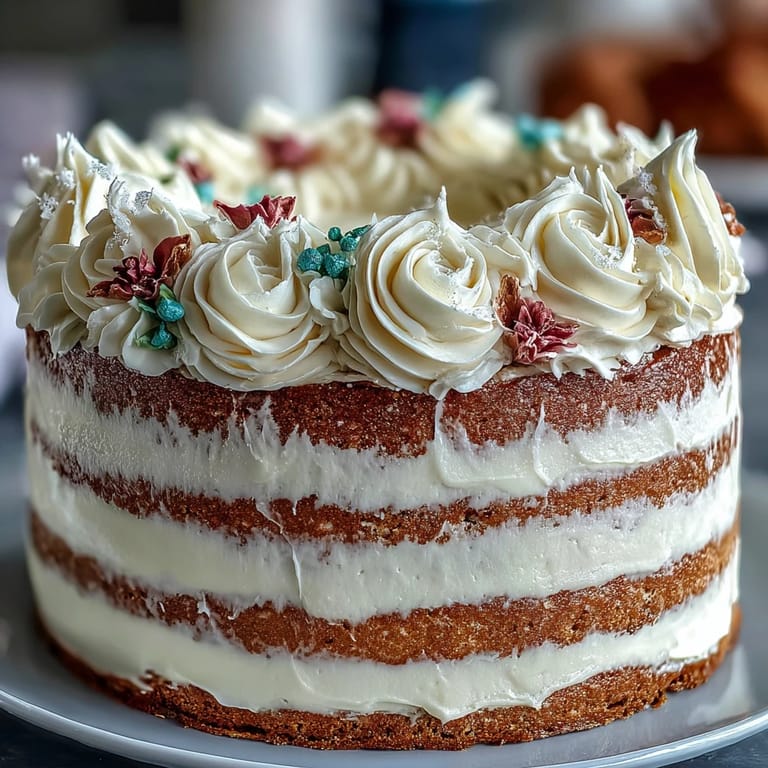
 My friend called me in a panic two weeks before her dual celebration—Taurus birthday and college graduation happening on the same weekend. She needed a cake that felt as special as the milestone itself, something with elegance and personality. I remembered watching my grandmother pipe delicate roses onto cakes decades ago, her steady hands moving with such grace, and thought: why not create something that honors both that memory and this moment? That's when the idea for a floral buttercream cake struck, layered and lush enough to feel like a proper celebration.
The night before the celebration, I watched my friend frost this cake in her tiny kitchen while her mom and siblings gathered around, offering commentary and stealing tastes of buttercream. There was something quiet and powerful about that moment—three generations of women, the younger one marking a threshold into adulthood, all of us laughing at my imperfect piping skills while the cake slowly transformed into something beautiful. By the time we added the final gold leaf accent, it didn't matter that the flowers weren't perfect; they were hers.
Ingredients
- All-purpose flour (2 1/2 cups): This is your cake's foundation—it creates structure without being tough, which is exactly what you want in a celebration cake.
- Baking powder (2 1/2 tsp): Don't skip the precision here; too much and your cake peaks awkwardly, too little and it stays dense.
- Salt (1/2 tsp): A small amount amplifies the vanilla and keeps everything from tasting flat and one-dimensional.
- Unsalted butter (1 cup for cake, 1 1/2 cups for frosting): Room temperature is non-negotiable; cold butter won't cream properly, and your cake will suffer for it.
- Granulated sugar (2 cups): This sweetens and aerates when beaten with butter, creating that light, tender crumb you're after.
- Eggs (4 large, room temperature): Temperature matters because cold eggs won't emulsify smoothly into the butter mixture, potentially breaking it.
- Pure vanilla extract (1 tbsp for cake, 2 tsp for frosting): Real vanilla makes the difference; imitation won't give you that subtle complexity.
- Whole milk (1 cup, room temperature): It hydrates the flour while keeping the cake tender; cold milk can cause the batter to seize slightly.
- Powdered sugar (5 cups, sifted): Sifting removes lumps and ensures your buttercream frosting is silky and smooth, not grainy.
- Heavy cream (2-4 tbsp): This loosens the frosting for piping; start with 2 tbsp and add more until you reach the right consistency.
- Gel food coloring: Gel doesn't thin out the frosting like liquid food coloring does, which means your buttercream stays piping-stiff even when tinted.
- Edible gold leaf or sprinkles: A small luxury that makes the Taurus or graduation symbol feel intentional and elegant.
Tired of Takeout? 🥡
Get 10 meals you can make faster than delivery arrives. Seriously.
One email. No spam. Unsubscribe anytime.
Instructions
- Prepare your pans with care:
- Preheat your oven to 350°F and grease three 8-inch round pans thoroughly with butter, then line the bottoms with parchment paper. This two-step approach prevents sticking better than any cooking spray.
- Mix the dry ingredients:
- Whisk together your flour, baking powder, and salt in a bowl until everything is evenly distributed. This pre-mixing ensures your leavening agent is spread throughout the batter.
- Cream butter and sugar together:
- Beat softened butter with granulated sugar on medium speed for 3-4 minutes until the mixture is pale, fluffy, and noticeably lighter in color. This incorporates air, which is essential for a tender cake.
- Add eggs one at a time:
- Add each egg individually, beating well after each addition until fully incorporated before adding the next. This slow method prevents the batter from breaking and ensures even moisture distribution.
- Build the batter with alternating additions:
- Starting with the flour mixture, alternate between dry ingredients and milk in three batches, ending with flour. Mix on low speed just until combined; overmixing develops gluten and creates a dense, tough crumb.
- Divide and bake:
- Divide the batter evenly among your prepared pans, smooth the tops gently, and bake for 28-35 minutes until a toothpick inserted in the center comes out clean. Every oven is different, so start checking at 28 minutes.
- Cool with patience:
- Let the cakes cool in their pans for 10 minutes, then turn them out onto wire racks to cool completely at room temperature. Warm cakes are fragile and will crumble if you try to frost them.
- Make the buttercream base:
- Beat softened butter on medium speed until creamy, then gradually add sifted powdered sugar, beating well until light and fluffy. This takes about 3-4 minutes and is worth the time.
- Season and adjust consistency:
- Mix in vanilla extract and 2 tbsp of heavy cream, then add more cream a teaspoon at a time until your frosting reaches the right consistency for spreading and piping. Too thick and it tears; too thin and it won't hold a flower shape.
- Tint your colors:
- Divide the buttercream into bowls and use a toothpick to add gel coloring drop by drop, stirring until you reach your desired shades. Gel coloring is intense, so less is more.
- Level and layer:
- If your cake layers domed on top, use a serrated knife to gently level them for even stacking. Place the first layer on your serving plate and spread a generous layer of frosting.
- Build the structure:
- Repeat with the remaining cake layers, spreading frosting between each, then press gently down so the cake sits stable and level. You can use a cake turntable to make this easier.
- Apply the crumb coat:
- Spread a thin layer of frosting all over the cake to seal in any crumbs, then refrigerate for 20 minutes. This crumb coat prevents loose crumbs from showing up in your final frosting layer.
- Create the smooth final coat:
- Apply a thicker, final layer of buttercream over the chilled crumb coat, smoothing it as much as you like with an offset spatula. Some people prefer rustic texture; others go for polished smoothness.
- Pipe your floral designs:
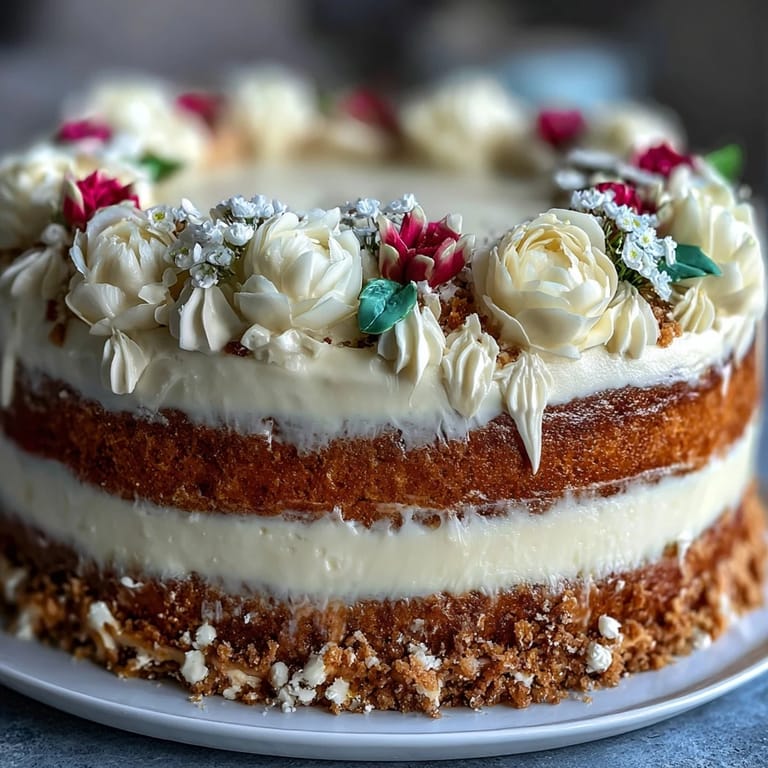
- Fill piping bags fitted with petal or leaf tips and pipe flowers, leaves, and vines onto the cake with your colored buttercream. Work from the bottom up if you're new to this; it feels more forgiving.
- Add your final accents:
- Carefully apply edible gold leaf or sprinkles to create a Taurus symbol or graduation cap accent if desired. Let this sit for just a moment so the gold adheres.
- Chill and serve:
- Refrigerate the finished cake until serving time, then bring it to room temperature for 30-45 minutes before slicing. Cold cake is firmer and slices more cleanly, but room temperature cake tastes far more delicious.
 Pin it
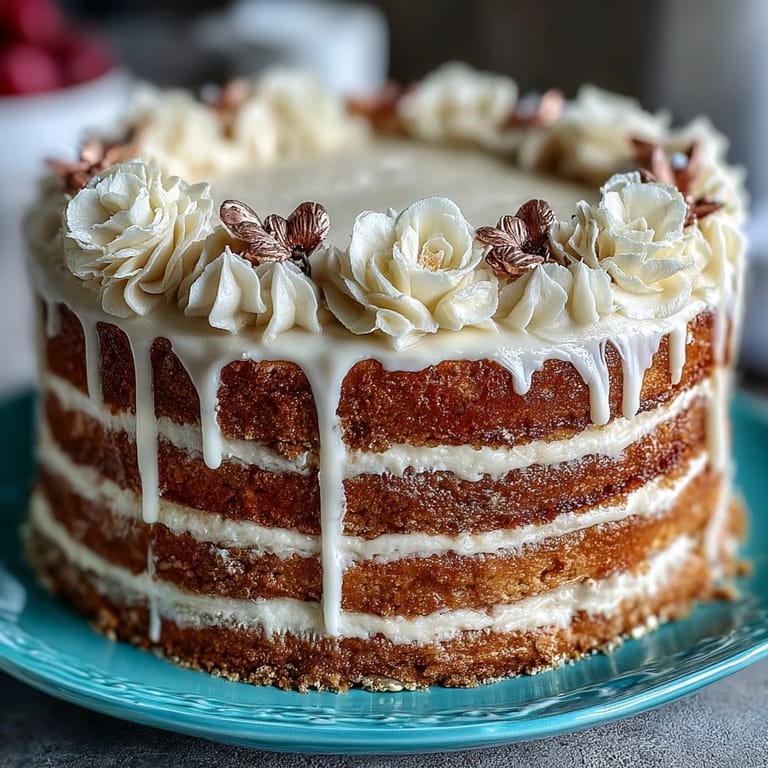
 What struck me most while decorating this cake was watching the piped flowers slowly transform it from a simple white cake into something that felt like art. My friend stood there, phone in hand, documenting every flower and giggling at my concentration, and I realized this cake had already done its job—it had brought people together, made them slow down, and made them witness something being created with care. The fact that it tasted incredible was almost secondary.
Why Floral Buttercream Works So Well
Buttercream is the most forgiving frosting for piping because it's sturdy enough to hold shapes and soft enough to work with. Unlike fondant, which can be stiff and plasticky, or whipped cream, which is fragile, buttercream lets you pipe beautiful details and then enjoy them tasting genuinely delicious. I've learned that the key is getting your consistency exactly right—too soft and your flowers collapse into blobs, too stiff and your piping bag feels like you're fighting it.
Personalizing for Your Celebration
The beauty of this cake is how easily it adapts to whoever you're celebrating. If it's a Taurus, consider earthy tones like sage green, dusty pink, and bronze—colors that feel grounded and steady like the sign itself. For a graduation, you can match the school colors or pipe the graduation year into the design. I've also seen people add the graduate's initials piped subtly into the flowers, creating an Easter egg of personalization that makes the cake feel uniquely theirs.
- Match your flower colors to the recipient's favorite palette or the season of their celebration.
- Practice your piping technique on parchment paper beforehand so you feel confident when working on the actual cake.
- Remember that slight imperfections in handmade piping add character and authenticity that people genuinely love.
Storage and Keeping Time
This cake is remarkably stable and actually improves slightly after a day or two as the flavors meld together. Keep it covered in a cool place or refrigerated, and it will stay fresh for up to four days. The buttercream frosting holds up well in cool temperatures, and you can even freeze a decorated cake for up to a week if you need to bake ahead.
Pairing Suggestions
I learned from my grandmother that cakes deserve thoughtful pairings, not just water or generic punch. A crisp sparkling wine or Prosecco complements the vanilla and floral notes beautifully, while a delicate floral tea like chamomile or rose hip adds to the botanical theme. If you want to stay non-alcoholic, a light lemonade or elderflower cordial feels celebratory and ties into the floral aesthetic without competing with the cake's flavor.
- Sparkling wine or Prosecco brings out the vanilla's subtle complexity.
- Floral teas honor the decorative theme and feel intentional.
- Whatever you choose, serve it cold and in pretty glasses—ceremony matters.
 Pin it
 This cake has become my go-to for celebrating people crossing thresholds—birthdays, graduations, promotions—because it feels formal enough to honor the moment but approachable enough that you're not stressed the entire time you're making it. Bake it with intention, pipe it with joy, and watch it become the centerpiece of a memory.
Recipe FAQs
- → How do I achieve smooth buttercream frosting?
Beat softened butter until creamy, gradually add powdered sugar, then vanilla and cream to reach a fluffy consistency. This creates a smooth, pipeable frosting.
- → What is the best way to create floral piping designs?
Use assorted piping tips such as petal and leaf tips, tint buttercream with gel colors, and practice consistent pressure for delicate floral motifs.
- → How can I ensure even cake layers?
Use three 8-inch pans, divide batter evenly, and level the cooled layers before frosting to maintain uniform height and stability.
- → Can I prepare decorations in advance?
Yes, floral buttercream details can be piped on parchment, chilled, and transferred to the cake for intricate designs.
- → What flavors complement this cake well?
Adding almond extract enhances the vanilla base, and pairing the cake with sparkling wine or floral teas elevates the tasting experience.